
Why Wear Protective Gear During Home Renovations
Wearing protective gear during home renovations is essential to safeguard yourself against numerous hazards. You'll encounter dust, debris, and potentially toxic materials that can harm your eyes, lungs, and skin. Proper gear like safety goggles, respirators, and sturdy gloves shield you from these risks. Additionally, using fall prevention equipment and maintaining your gear guarantees ongoing protection. By adopting these safety measures, you're not only complying with safety standards but also greatly reducing the chance of injuries. Exploring further into the types of protective gear and their maintenance will equip you with the knowledge to handle your renovation projects safely.
Key Takeaways
- Protective gear reduces the risk of injuries from falling objects, dust, debris, and hazardous materials during home renovations.
- It prevents exposure to harmful chemicals and fumes, enhancing overall safety during DIY projects.
- Compliance with safety regulations is encouraged by wearing appropriate protective gear.
- Different types of protective gear are essential for protecting specific body parts, such as head, eyes, hands, and feet.
- Proper maintenance and storage of protective gear ensure their effectiveness and longevity, providing ongoing safety during renovations.
Essential Protective Gear Overview
Your safety should be your top priority when tackling home renovations. Before you start any project, it's vital to don the appropriate protective gear. Depending on the task at hand, this can include safety glasses, gloves, ear protection, and a hard hat.
These items are your first line of defense against the myriad hazards that come with renovation work, such as flying debris, loud noise, and exposure to chemicals or electrical wiring.
Creating a renovation safety checklist can help guarantee you're not missing any essential gear. Your list should include items like slip-resistant footwear to prevent trips and falls, a dust mask to protect your lungs from airborne particles, and long-sleeved shirts and pants to shield your skin from sharp edges and toxic substances.
Head Protection Importance
Head protection is a critical aspect of home renovation safety that can't be overlooked. When you're working on your home, wearing a helmet can mean the difference between a minor bump and a serious brain injury.
There are various helmet types designed for different tasks, such as hard hats for construction work or bump caps for working in tight spaces. You should choose the right helmet for the job at hand to guarantee maximum protection.
Don't take chances with your head and brain - always wear a helmet when performing any task that presents a risk of falling objects or bumping your head. Even a small impact can cause a concussion or other head injury.
Make sure your helmet fits properly and is in good condition, with no cracks or other damage. By taking the time to protect your head, you'll be able to tackle your home renovation projects with confidence and peace of mind.
Eye Safety Measures
Eye protection is another essential safety measure during home renovations. Your eyes are exposed to various vision hazards, including dust, debris, and chemical splashes, which can lead to severe eye injuries or even vision loss.
To guarantee your eye safety, you must wear appropriate goggles that shield your eyes from all potential dangers.
Here are three key points to reflect upon when selecting eye protection:
- Choose goggle types based on the specific renovation task you're performing, such as safety glasses for general protection or sealed goggles for chemical handling.
- Confirm that your goggles fit properly and comfortably, providing a snug seal around your eyes to prevent any particles from entering.
- Regularly inspect and clean your goggles to maintain peak visibility and protection throughout your renovation project.
Respiratory Health Precautions
During home renovations, protecting your respiratory health is vital due to the presence of airborne particles, such as dust, fibers, and chemical fumes, which can lead to severe respiratory issues or aggravate existing conditions.
To safeguard your lungs, you must employ effective ventilation strategies that maintain a constant flow of fresh air. This involves setting up fans to draw out dust and fumes from your workspace and opening windows to allow clean air to circulate.
Additionally, dust containment measures should be in place to minimize the spread of particles. You can achieve this by sealing off the renovation area with plastic sheeting and utilizing HEPA-filtered vacuum systems to capture fine dust.
It's important to wear a respirator or a mask rated for the type of particles you're dealing with. Check the rating and verify it fits snugly to prevent particles from seeping in.
Hand and Skin Safeguards
Protecting your hands and skin during home renovations is essential, as these areas are vulnerable to cuts, abrasions, and contact with hazardous materials.
When selecting gloves, consider the type of work you'll be doing. Here are key reasons to prioritize hand and skin protection:
- Prevents skin irritation and allergic reactions from chemicals or materials
- Reduces risk of cuts, punctures, or abrasions from sharp tools or rough surfaces
- Guards against burns from hot surfaces or caustic substances
Choose glove types based on the task at hand. Leather gloves offer protection against abrasions and punctures during demolition work, while chemical-resistant gloves shield your skin from harsh substances like solvents or adhesives.
Don't forget to wear long sleeves and pants to further protect your skin from harm.
Prioritizing hand and skin safeguards guarantees your renovation project doesn't lead to unnecessary injuries or discomfort.
Footwear Selection Criteria
Selecting appropriate footwear is vital when undertaking home renovations, as your feet are susceptible to various hazards. When choosing footwear, consider the boot materials and their slip resistance.
Look for boots made from sturdy materials like leather or rubber that can protect your feet from sharp objects and heavy impacts. Leather offers excellent durability and puncture resistance, while rubber provides flexibility and chemical resistance.
Slip resistance is another important factor, as home renovation sites often have slippery surfaces due to spilled liquids or dusty areas. Boots with slip-resistant soles, such as those made from rubber with deep treads, can help prevent accidents caused by slipping and falling.
Make certain your chosen footwear also provides adequate support and cushioning to reduce fatigue during long hours of work. Boots with reinforced toe caps and midsoles offer additional protection against falling objects and punctures from below.
Hearing Protection Necessity
While safeguarding your feet is paramount, don't overlook the importance of protecting your hearing during home renovations.
You're exposed to high noise levels from power tools and equipment that can cause noise-induced hearing loss. The long-term effects of such exposure can be detrimental, leading to permanent hearing damage or even deafness.
Here are some steps you must follow to protect your hearing:
- Always wear ear protection like earmuffs or earplugs when operating loud equipment. This will greatly reduce the risk of hearing damage.
- Take regular breaks from noisy environments. Giving your ears a rest will help minimize the cumulative effects of noise exposure.
- Invest in quieter tools if possible. Many modern tools are designed to operate at lower decibels without compromising on performance.
Fall Prevention Equipment
Your safety during home renovations should never be compromised, especially when it comes to preventing falls. Fall hazards are ubiquitous in renovation sites, from unstable scaffolding to open floorboards. To mitigate these risks, you must adhere to strict safety standards and utilize appropriate fall prevention equipment.
First, a sturdy harness is indispensable. It should fit snugly and be secured to a stable anchor point. This will prevent you from hitting the ground in case of a slip. Additionally, guardrails and toe boards can provide a physical barrier between you and potential fall hazards. They should be installed on all open edges of a work platform.
Never underestimate the importance of non-slip footwear. It provides necessary traction on slippery surfaces, preventing unnecessary accidents.
Proper Gear Maintenance Tips
Maintaining your protective gear is just as important as using it. By keeping your gear in top shape, you guarantee it provides the safety you need during home renovations.
Here are some technical tips to help you maintain your gear:
-
Regular Cleaning: Use appropriate cleaning solutions to remove dirt, dust, and other debris that could compromise the integrity of your gear. Always follow the manufacturer's instructions for cleaning.
-
Inspect for Damage: Regularly check your gear for any signs of wear and tear. Look for any cracks, loose fittings, or other damage that could reduce its effectiveness.
-
Proper Storage: Store your gear in a cool, dry place away from direct sunlight. Use gear storage solutions that protect your equipment from moisture and dust.
Frequently Asked Questions
How Often Should Protective Gear Be Replaced?
You should replace your protective gear when you notice signs of wear and tear. Regularly inspect your gear and follow maintenance tips to guarantee its effectiveness. Don't compromise your safety by using worn-out equipment during renovations.
Can I Use Sports Gear for Home Renovations?
You wouldn't wear a hard hat to play football, so why wear sports gear for home renovations? Sports gear's effectiveness is limited in construction. Opt for alternative protective options designed for the job to guarantee your safety.
What Are the Legal Requirements for Protective Gear?
You must adhere to legal standards and safety regulations when choosing protective gear for home renovations. These rules guarantee your safety by mandating specific gear that's designed to protect against the hazards you'll face during the project.
How Do I Choose the Right Size for Protective Gear?
To choose the right size, you'll need to use proper measurement techniques for each type of protective gear. Materials vary, so guarantee a snug, comfortable fit that allows full mobility while keeping you safe from hazards during home renovations.
Is Second-Hand Protective Gear Safe to Use?
When considering second-hand safety, always inspect protective gear quality closely. You can't compromise on protection. Check for wear and tear, ensuring it meets safety standards. Your wellbeing is worth investing in new gear if necessary.
Conclusion
Imagine this: you're working on a renovation project, and suddenly, debris falls from above. Wouldn't you rather be wearing a hard hat? Protecting yourself during home renovations isn't just smart, it's essential. So, before you start your next project, make sure you've got the right gear. It could very well save you from a serious injury.
Related Posts
-
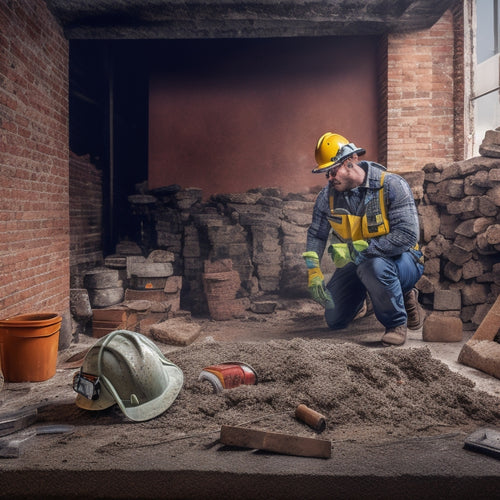
7 Must-Have Safety Gears for Brick Wall Renovation
When renovating a brick wall, you'll face a multitude of hazards, making it essential to wear and use the right safet...
-

Streamline Your Exterior Renovation Timeline
To streamline your exterior renovation timeline, you'll need to approach the process strategically. Start by planning...
-
7 Best Tool Storage Ideas for Home Renovation
When it comes to home renovation, staying organized is key to maximizing productivity and minimizing wasted time. To ...
