
Why Tool Storage Is Crucial for Home Renovations
When it comes to home renovations, you know that having the right tools is essential, but so is storing them properly. A well-organized tool storage system can save you an average of 15 minutes per day, reduce stress levels by up to 40%, and even prevent tool damage and loss. By maximizing your garage storage space, utilizing affordable DIY solutions, and avoiding common mistakes, you can create a system that boosts your productivity and workflow. With the right strategies in place, you'll be able to tackle your renovation projects with confidence and efficiency - and that's just the starting point for achieving a stress-free and successful home makeover.
Key Takeaways
• Organized tool storage reduces clutter stress and anxiety, saving time and effort, and enhancing workflow during home renovations.
• Well-organized storage systems boost productivity by streamlining workflow, saving time, and allowing for more work completion.
• Effective tool storage prevents damage and loss by protecting tools from environmental factors, and providing a secure and dry location.
• Maximizing garage storage space with shelving, overhead storage, and slatwall systems keeps tools organized, visible, and accessible.
• A well-planned tool organization system prioritizes tool accessibility, reduces frustration, and enhances efficiency and accessibility during home renovations.
Essential Tools for Home Renovations
You'll need a solid arsenal of essential tools to tackle any home renovation project successfully. This includes a mix of power tools, such as drills, saws, and sanders, and hand tools, like hammers, pliers, and wrenches. Renovation essentials like tape measures, levels, and stud finders will also be vital to your project's success.
Don't forget to factor in tool maintenance, as regular cleaning and lubrication can extend the life of your tools. Effective project planning is key, so prioritize your tasks and allocate the right tools for each job.
Safety equipment, such as hard hats, gloves, and safety glasses, should also be part of your arsenal. When selecting tools, consider reputable brands known for their quality and durability.
Finally, invest in a storage system that keeps your tools organized and within reach. A well-planned storage system will save you time and reduce frustration, allowing you to focus on the task at hand.
Benefits of Organized Tool Storage
As you implement an organized tool storage system, you'll quickly realize the benefits it brings to your home renovation projects.
By keeping your tools tidy and easily accessible, you'll reduce clutter stress and free up mental energy to focus on the task at hand.
This, in turn, will lead to increased productivity, allowing you to complete projects more efficiently and effectively.
Reduced Clutter Stress
By implementing organized tool storage, homeowners can considerably reduce clutter stress, freeing up mental energy and physical space to focus on their renovation projects.
Clutter management is key to achieving this reduction in stress. When tools are scattered around the workspace, it's easy to feel overwhelmed, leading to mental fatigue and decreased motivation. On the other hand, a well-organized tool storage system allows you to quickly locate the tools you need, saving time and effort.
Effective stress reduction is critical during home renovations, which can be a high-stress endeavor. By minimizing clutter, you'll experience a significant decrease in anxiety levels, allowing you to approach your project with a clearer mind and a more focused attitude.
With a clutter-free workspace, you'll be able to prioritize tasks more efficiently, make better decisions, and enjoy a sense of control over your project. By investing in a reliable tool storage system, you'll be taking a significant step towards reducing clutter stress and creating a more productive, enjoyable renovation experience.
Increased Productivity
With a well-organized tool storage system in place, your productivity soars as you can swiftly locate and retrieve the tools you need, streamlining your workflow and allowing you to tackle tasks more efficiently.
This optimized workflow enables you to make the most of your time, a vital aspect of successful home renovations. By having all your tools within easy reach, you can dedicate more time to actual work and less time to searching for misplaced items.
You're no longer wasting precious minutes scouring the garage or workshop for that one specific drill bit or wrench.
You're able to complete tasks quickly, without interruptions, and with a sense of accomplishment.
You're free to focus on the creative aspects of your renovation, rather than getting bogged down in tool-related frustrations.
Preventing Tool Damage and Loss
Your toolbox is only as good as the tools it holds, so protecting your investment from damage and loss is crucial to completing home renovations efficiently and effectively.
Regular tool maintenance is key to extending the lifespan of your tools and preventing damage. This includes cleaning and lubricating moving parts, sharpening blades, and replacing worn-out components. Additionally, using protective coverings such as tool cases, pouches, and covers can shield your tools from environmental factors like dust, moisture, and extreme temperatures.
When you're not using your tools, storing them in a dry, secure location can prevent loss and theft. Consider investing in a tool chest or cabinet with locking mechanisms to keep your tools safe.
Labeling your tools and storage containers can also help you quickly identify and retrieve the tools you need, reducing the likelihood of misplacement. By taking proactive steps to protect your tools, you can guarantee that they remain in top condition, ready to tackle your next home renovation project.
Maximizing Garage Storage Space
Optimizing your garage's storage capacity is essential to keeping your tools organized and within reach, allowing you to focus on completing your home renovation projects efficiently.
By maximizing your garage's storage space, you'll be able to access the tools you need quickly and easily, saving you time and reducing frustration.
Here are some ways to maximize your garage's storage space:
-
Install garage shelving that takes advantage of vertical storage, keeping your tools and materials off the floor and out of the way.
-
Utilize the ceiling by installing overhead storage racks for infrequently used items, such as seasonal decorations or out-of-season sports equipment.
-
Consider investing in a slatwall system, which provides a versatile and customizable storage solution for your tools and accessories.
Affordable DIY Storage Solutions
You can create affordable DIY storage solutions by repurposing common items, such as old pallets or wooden crates, into functional shelving units and storage bins. This approach not only saves you money but also adds a touch of creativity to your storage setup.
For instance, you can transform an old pallet into a vertical storage rack for your tools by attaching hooks and bins to its wooden slats. Similarly, wooden crates can be converted into storage bins for small parts and accessories.
When it comes to budget-friendly options, consider upcycling old furniture or materials you no longer need. An old bookshelf, for example, can be repurposed as a storage unit for your power tools.
You can also get creative with fabric or plastic storage bins to store smaller items like screws, nuts, and bolts. By thinking outside the box and exploring creative storage ideas, you can create a functional and organized storage system that fits your budget and meets your needs.
With a little bit of imagination and resourcefulness, you can turn your storage challenges into opportunities for innovation and cost savings.
Considerations for Cement Floors
Storing tools and equipment on cement floors requires careful planning to prevent damage to both the floor and the storage solutions.
You'll want to verify your cement floor is properly prepared to withstand the weight and movement of your tools and equipment. This includes checking for cracks, unevenness, and oil stains, and taking measures to repair or seal them.
When it comes to storing tools on cement floors, consider the following:
-
Floor-standing cabinets with adjustable feet to compensate for uneven floors and prevent water accumulation
-
Ergonomic tool chests with soft-close drawers to reduce noise and vibration
-
Mobile workstations with polyurethane-coated wheels to protect the floor from scratches and scuffs
These solutions won't only protect your cement floor but also provide you with tool mobility solutions that enhance your productivity and workflow.
Common Tool Storage Mistakes
Five common mistakes can turn even the most well-intentioned tool storage plans into productivity-killing nightmares.
You might be guilty of not developing a clear tool categorization strategy, leading to a jumbled mess of tools scattered throughout your workspace.
Or, you might be using the wrong storage container types, causing damage to your tools or making them difficult to access.
Another mistake is failing to evaluate the frequency of tool use, resulting in essential tools being buried beneath less frequently used ones.
You might also be neglecting to label your storage containers, making it impossible to find what you need quickly.
Finally, you might be overcrowding your storage containers, leading to a cluttered and disorganized workspace.
By recognizing and avoiding these common mistakes, you can create an efficient and effective tool storage system that streamlines your workflow and saves you time.
Take the time to assess your current tool storage setup and make adjustments to optimize your productivity.
Creating a Tool Organization System
To develop a well-structured tool organization system, categorize your tools by function, frequency of use, or project type, and then assign a designated storage space for each category. This will help you maintain a logical and efficient tool inventory management system.
For instance, you can group your tools into categories like drilling, cutting, and measuring. Next, label each storage space clearly using a labeling system that's easy to understand. This way, you'll be able to find the right tool quickly when you need it.
Here are some ideas to get you started:
-
Designate a specific drawer or shelf for frequently used tools, such as hammers and screwdrivers.
-
Store tools for specific projects, like plumbing or electrical tools, in separate containers or bins.
-
Create a 'launching pad' near your workspace where you can place tools you're currently using, making it easy to grab what you need without disrupting your workflow.
Prioritizing Tool Accessibility Needs
When planning your tool storage, you need to prioritize accessibility to maximize your productivity.
You'll want to guarantee that your most frequently used tools are easily retrievable, saving you time and energy during your renovation project.
Easy Tool Retrieval
By strategically locating your tools in easy-to-reach areas, you'll save time and reduce frustration during home renovations. This is where smart tool storage systems come into play. By designing a storage system that prioritizes tool access, you'll be able to quickly grab the tools you need, when you need them.
Imagine being able to:
-
Swing by your pegboard and grab your trusty hammer without having to dig through a cluttered toolbox.
-
Pull out your cordless drill from its designated charging station, ready to go for the next task.
-
Slide out your mitre saw from its wall-mounted storage, ready to make precise cuts.
Efficient Workspace Design
You'll maximize your workspace efficiency by designing a layout that prioritizes tool accessibility, ensuring that your most frequently used tools are within easy reach. This means positioning your tool storage solutions strategically to minimize walking distances and reduce fatigue.
Consider an ergonomic design that takes into account your body's natural movements, allowing you to work comfortably and efficiently.
When planning your workspace layout, group similar tools together and allocate space according to their frequency of use. Reserve prime real estate for your most essential tools, and consider a 'golden zone' – an area within easy reach of your dominant hand. This will enable you to quickly access the tools you need, reducing downtime and increasing productivity.
Don't forget to incorporate vertical storage options, such as pegboards or wall-mounted shelves, to maximize your available space. By optimizing your workspace layout, you'll be able to work smarter, not harder, and complete your home renovation projects with ease.
Long-Term Storage for Seasonal Tools
Seasonal tools, like winter snow shovels or summer gardening equipment, require dedicated long-term storage to protect them from environmental damage and maintain their performance. You need to guarantee your seasonal tool inventory is safely stored away when not in use to prevent rust, corrosion, or damage from extreme temperatures.
Consider the following weatherproof storage solutions to keep your seasonal tools in top condition:
-
Shed or garage storage: Designate a specific area in your shed or garage for seasonal tools, using wall-mounted hooks or bins to keep them organized and dry.
-
Outdoor storage containers: Invest in waterproof containers or bins specifically designed for outdoor storage, keeping your tools protected from rain, snow, or extreme temperatures.
-
Climate-controlled storage units: If you live in an area with extreme weather conditions, consider renting a climate-controlled storage unit to store your seasonal tools, guaranteeing they remain in pristine condition.
Frequently Asked Questions
How Often Should I Clean and Maintain My Tool Storage System?
You should clean and maintain your tool storage system regularly, ideally every 1-3 months, to guarantee ideal tool organization tips are met; establish a maintenance frequency that suits your usage to prevent clutter and prolong tool lifespan.
Can I Use Tool Storage Solutions for Other Garage Items Too?
"Think outside the toolbox! You can repurpose your multi-purpose storage solutions to tame the garage chaos, streamlining garage organization for everything from bikes to seasonal decor, making your space a haven of efficiency and innovation."
Are There Any Specific Tool Storage Regulations for Renters?
You should review your rental agreements for specific tool storage regulations, as they may impact your tool safety; guarantee compliance to avoid liability, and consider consulting with your landlord or local authorities for clarification.
How Do I Store Tools With Hazardous Materials Safely?
You'll need to store tools with hazardous materials safely by designating a well-ventilated area with secondary containment, using leak-resistant containers, and labeling them clearly, ensuring you follow local regulations for safe storage.
Can I Customize Tool Storage Solutions for Left-Handed Users?
"You might think customization for left-handed users is a niche request, but you're not alone - many manufacturers now offer left-handed organization options, ensuring ergonomic tool placement that works with, not against, your natural workflow."
Conclusion
As you wrap up your home renovation, you'll likely find that your tool collection has grown considerably. Coincidentally, so has the clutter.
Don't let disorganization hinder your next project. By implementing a thoughtful tool storage system, you'll avoid damaging or losing essential tools, maximize your garage space, and save time searching for what you need.
With a little planning, you'll be ready to tackle the next renovation with ease, and your tools will thank you.
Related Posts
-
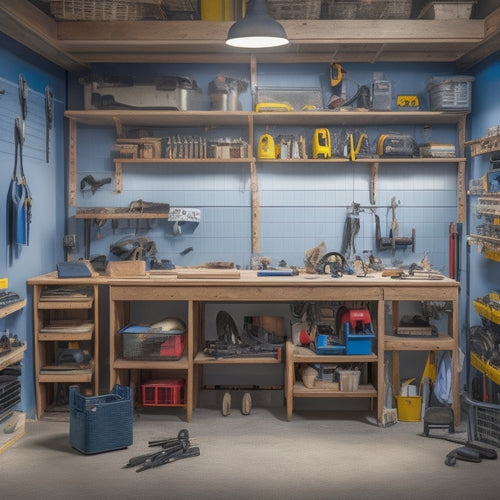
Why Home Renovators Need Smart Tool Storage Now
You need a smart tool storage system that streamlines your workflow, reduces clutter, and protects your investments b...
-
What Plastering Tools Do You Need for Renovation
You'll need a range of specialized tools to tackle a plastering renovation project efficiently and effectively. Essen...
-

Get Discounted Plastering Tool Sets for DIY Renovations
You can find discounted plastering tool sets online, at local hardware stores, and thrift stores, offering a range of...
