
Why Tool Kit Organization Matters for Home Renovations
When you're in the midst of a home renovation, a disorganized tool kit can be a major productivity killer. You waste time searching for misplaced tools, getting frustrated, and throwing your entire project off schedule. By organizing your tool kit, you can reduce downtime, quickly identify the tools you need, and tackle complex projects with confidence. A well-structured tool kit also helps you stay focused on the task at hand, allowing you to work more efficiently and make the most of your renovation time. Now, get ready to change your renovation process and open up even greater productivity gains.
Key Takeaways
- Tool kit organization reduces time spent searching for tools, minimizing frustration and enabling quick identification of necessary tools.
- A well-organized tool kit enhances overall efficiency during renovation tasks, especially for complex projects requiring specific tools.
- Proper storage solutions, such as sturdy containers with secure latches, prevent tool damage and ensure safety.
- An organized workspace with designated areas for tools, materials, and projects enhances access and contributes to increased productivity.
- Streamlined renovation workflow, facilitated by tool kit organization, leads to smoother renovation processes and reduced downtime.
Tool Kit Organization Benefits
Having a well-organized tool kit can be a game-changing factor for homeowners starting on a renovation project.
You'll save time and frustration by knowing exactly where each tool is, reducing the likelihood of lost or misplaced items. A well-organized tool kit also enables you to identify tools quickly, making it easier to select the right one for the task at hand.
This is especially important when working on complex projects that require specific tools for each step.
Foundation Repair Tool Storage Solutions
As you investigate foundation repair, a vital aspect of your tool kit organization emerges: storage solutions tailored to the unique demands of this specialized work.
Foundation repair requires specific tools, such as hydraulic jacks, concrete mixers, and drill bits, which must be stored safely and efficiently to guarantee quick access and peak performance.
When selecting tool storage solutions for foundation repair, consider the size and weight of your equipment. Choose containers or chests with sturdy construction and secure latches to prevent accidental openings.
Label each container clearly to facilitate quick identification and retrieval of tools. It's also essential to store tools in a dry, protected area to prevent rust and corrosion.
Remember to prioritize repair safety precautions when organizing your tool kit. Ascertain that sharp objects, such as saw blades and drill bits, are stored separately and out of reach of children and pets.
Additionally, follow tool selection tips by choosing tools with ergonomic designs and safety features, such as non-slip grips and protective guards, to minimize the risk of injury.
Maximizing Workspace Efficiency
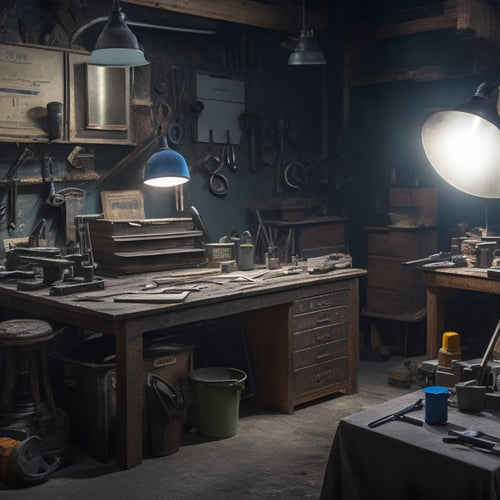
Now that you've optimized your tool kit organization for foundation repair, it's time to turn your attention to the workspace itself. A well-designed workspace layout is essential for efficient access to your tools and materials. Consider the following layout to maximize your workspace efficiency:
| Zone | Description | Tools/Materials |
|---|---|---|
| Work Area | Dedicated space for current project | Workbench, vise, measuring tools |
| Tool Zone | Centralized storage for frequently used tools | Drill, saw, level, pliers, wrenches |
| Material Station | Designated area for storing project materials | Lumber, pipes, fasteners, adhesives |
Customized Storage for Specialty Tools
By incorporating customized storage for specialty tools into your tool kit organization, you'll be able to efficiently access and employ these unique items when tackling complex tasks during home renovations.
Specialty tool types, such as laser levels, tile nippers, and drywall cutouts, require personalized storage solutions to prevent damage, misplacement, and inconvenience.
To create customized storage solutions, consider the following:
-
Tool-specific compartments: Designate specific compartments or pockets within your tool kit or storage container for each specialty tool, ensuring a snug and secure fit.
-
Protective casings: Invest in protective casings or hard-shell cases for fragile or sensitive tools, such as laser levels or precision instruments.
-
Mounting systems: Implement mounting systems, like hooks or clips, to store tools that require frequent access, such as tile nippers or drywall cutouts.
Streamlining Renovation Workflow
Three key areas to focus on when streamlining renovation workflow are tool accessibility, task sequencing, and workspace optimization. By optimizing these aspects, you can greatly reduce downtime and increase productivity.
Tool accessibility is vital as it allows you to quickly find and use the tools you need. A well-organized tool kit guarantees that you're not wasting time searching for misplaced tools, which in turn, helps you stay focused on the task at hand.
Task sequencing is another essential aspect of workflow optimization. By planning and prioritizing tasks, you can identify dependencies and potential bottlenecks, enabling you to allocate resources more efficiently.
This approach also helps you identify opportunities to multitask, further streamlining your workflow.
Frequently Asked Questions
Can I Use a Pegboard for Storing Small Renovation Tools and Accessories?
You can use a pegboard for storing small renovation tools and accessories, taking advantage of pegboard benefits like easy tool visibility, accessibility, and space-saving design, allowing you to quickly grab what you need and stay focused on your project.
How Do I Organize Tools With Different Voltages and Charging Needs?
When tackling tool organization, you're faced with a puzzle: how to store devices with different voltage needs. You'll need charging stations with voltage compatibility, separating high-voltage tools from low-voltage ones, and labeling each station for easy identification.
Are There Any Portable Storage Solutions for On-Site Renovations?
When tackling on-site renovations, you'll appreciate portable storage solutions like portable toolboxes with customizable compartments and tool belt organization systems, which keep your tools within easy reach and protected from the elements.
Can I Repurpose Old Furniture for Tool Storage and Organization?
As you gaze at that old dresser, imagine its drawers converted into a collection of tool storage. You can repurpose it, embracing furniture upcycling, to create creative storage solutions that'll keep your tools within easy reach, freeing up space and enhancing productivity.
How Often Should I Clean and Maintain My Tool Kit Organization System?
You should clean and maintain your tool kit organization system regularly, ideally during seasonal changes, to guarantee accuracy in your tool inventory and prevent rust or damage, dedicating 1-2 hours every 3-4 months for thorough upkeep.
Conclusion
You've invested time and effort into organizing your tool kit, and it's paid off. With a well-structured storage system, you've increased productivity, reduced frustration, and improved the overall quality of your home renovation projects. Did you know that a disorganized workspace can lead to up to 40% of wasted time? By streamlining your tool kit organization, you're not only saving time but also staying on track to complete your project efficiently and effectively.
Related Posts
-

Top Tools for DIY Home Renovation Plastering Success
To achieve DIY home renovation plastering success, you'll need a range of essential tools. Start with hand tools like...
-

Top 3 Insurance Options for Home Renovation
When renovating your home, you need specialized insurance coverage to protect your finances from unexpected setbacks ...
-
What to Inspect When Buying Used Renovation Tools
When buying used renovation tools, you need to scrutinize every detail to avoid costly mistakes. Inspect for rust and...
