
Why Do You Need Protective Gear for Renovation
When renovating, you'll likely encounter hazardous materials and physically demanding tasks that put you at risk of serious injury or illness, making protective gear essential to safeguard your health and well-being. You'll need to shield yourself from silica dust, a known carcinogen, as well as physical hazards like falling objects and electrical shock. Improper sealing methods can lead to structural weaknesses, costly repairs, and even long-term health risks. By wearing personal protective equipment like respirators, safety glasses, and gloves, you can minimize these risks. Explore the essential steps to take to guarantee your protection on the job.
Key Takeaways
- Protective gear prevents exposure to hazardous materials and silica dust, which can cause serious health risks and even cancer.
- Improper renovation methods can lead to structural weaknesses, costly repairs, and long-term damage, emphasizing the need for proper gear.
- Respiratory protection is essential to minimize inhalation of silica dust, which can cause lung inflammation, scarring, and respiratory diseases.
- Eye and skin protection measures, such as goggles and gloves, are vital to prevent injuries and exposure to hazardous substances.
- Following safety regulations and manufacturer guidelines ensures that renovation tasks are completed safely and efficiently.
Cinder Block Sealing Safety Regulations
When sealing cinder blocks during renovation projects, you're likely to encounter a range of hazardous materials and situations that demand careful attention to safety regulations.
Cinder block types, such as concrete masonry units (CMUs) and insulated concrete forms (ICFs), require specialized sealing techniques to guarantee structural integrity and prevent damage.
You must take necessary precautions to protect yourself from exposure to harmful substances, like silica dust, and potential physical hazards, including falling objects and electrical shock.
Wear personal protective equipment (PPE) like respirators, safety glasses, and gloves to prevent skin contact and inhalation of toxic particles.
Additionally, make certain you're properly trained in sealing techniques, such as surface preparation, application of sealants, and curing procedures.
Always follow manufacturer guidelines for sealant products and adhere to local building codes and regulations.
Hazards of Improper Sealing Methods
Improper sealing methods can lead to a multitude of problems, threatening not only the structural integrity of the cinder blocks but also the safety of everyone on the renovation site.
You may think you're saving time and money by cutting corners on sealing, but you're actually putting yourself and others at risk.
When you use improper sealing techniques, you open yourself up to a range of hazards. Sealing materials can pose serious health risks if not handled correctly. Inhaling vapors or getting them on your skin can cause serious health problems.
Additionally, using the wrong sealing materials or applying them incorrectly can lead to structural weaknesses, further compromising the safety of the site.
Furthermore, improper sealing can lead to costly repairs down the line. Water seepage, for example, can cause significant damage to the cinder blocks, requiring expensive repairs or even replacement.
Silica Dust Exposure Risks
Hundreds of thousands of workers in the construction industry are exposed to silica dust every year, putting them at risk of developing serious and potentially fatal health problems.
You're likely one of them, especially if you're involved in renovation projects that involve cutting, drilling, or grinding materials like concrete, stone, or tile.
Silica dust is a known carcinogen, and prolonged exposure can lead to severe health effects, including lung cancer, silicosis, and chronic obstructive pulmonary disease (COPD).
When you inhale silica dust, the tiny particles get trapped in your lungs, causing inflammation and scarring.
Over time, this can lead to respiratory problems, making it harder to breathe and increasing your risk of lung disease.
What's more, silica dust exposure can also cause skin and eye irritation, and even increase your risk of kidney disease.
It's important to take proactive measures to minimize your exposure to silica dust, and that starts with wearing the right protective gear.
Respiratory Protection Essentials
You need a reliable defense against silica dust to safeguard your respiratory health. This begins with selecting the right mask type for your renovation project.
Half-face respirators, full-face respirators, and powered air-purifying respirators (PAPRs) are popular options. Each has its unique features, advantages, and limitations, so it's important to choose one that suits your specific needs.
For instance, PAPRs provide a higher level of protection and are ideal for tasks that generate high dust levels.
In addition to wearing a mask, you should also consider implementing ventilation systems to reduce dust concentrations in the work area.
This can include local exhaust ventilation systems, which capture dust at the source, or general ventilation systems, which improve air circulation throughout the space.
Combining these measures will help minimize your exposure to silica dust and reduce the risk of respiratory problems.
Eye and Skin Protection Measures
Regularly, renovation projects involve tasks that pose significant threats to your eyes and skin. You're constantly exposed to flying debris, chemical splashes, and airborne contaminants that can cause serious injuries.
That's why it's vital to prioritize eye and skin protection measures.
When it comes to eye protection, goggles are of utmost importance. They provide a physical barrier against hazardous materials, ensuring your eyes remain safe and healthy.
Look for goggles with anti-fog coatings and good optical clarity to prevent vision obstruction. Additionally, consider goggles with a face shield or brow guard for added protection.
Your skin is also at risk during renovation projects. Chemicals, heavy metals, and other hazardous substances can penetrate your skin, causing irritation, allergic reactions, or even long-term health effects.
A skin barrier, such as gloves, coveralls, and face masks, can prevent these risks. Choose protective gear that's breathable, flexible, and resistant to the specific hazards you'll encounter during your project.
Frequently Asked Questions
What Are the OSHA Regulations for Renovation Workers?
You must comply with OSHA's renovation regulations, which require you to conduct a hazard assessment and provide safety training to workers, ensuring they're equipped to handle hazardous materials and tasks, reducing risk and liability.
Can I Use a Regular Mask for Dust Protection?
You can't rely on a regular mask for dust protection; its mask effectiveness is limited, and it won't filter out fine particles, leaving you exposed to hazardous dust exposure that can cause serious respiratory issues.
How Do I Clean My Protective Gear After Use?
You'll want to follow strict cleaning methods for your protective gear, like washing respirators with mild soap and warm water, and wiping down goggles with a soft cloth to guarantee effective gear maintenance and prolong its lifespan.
Can I Wear Contact Lenses During Renovation Work?
Ha! You think a little dust won't ruin your perfect vision? Think again! Don't even consider wearing contact lenses during renovation work - it's a recipe for eye disaster. Prioritize contact lens safety and opt for reliable eye protection instead.
Do I Need Protective Gear for Small Renovation Projects?
When tackling small renovation projects, you're still at risk of injury; wearing protective gear is essential for safety benefits and injury prevention, even if the project seems minor, don't take chances, gear up to guarantee your well-being.
Conclusion
As you wrap up your renovation project, remember that an ounce of prevention is worth a pound of cure. Failing to wear protective gear can lead to serious health issues, from respiratory problems to skin and eye damage. Don't gamble with your well-being - invest in the right gear and follow safety regulations to guarantee a safe and successful renovation. By doing so, you'll be able to enjoy your newly renovated space without worrying about the long-term consequences of your hard work.
Related Posts
-
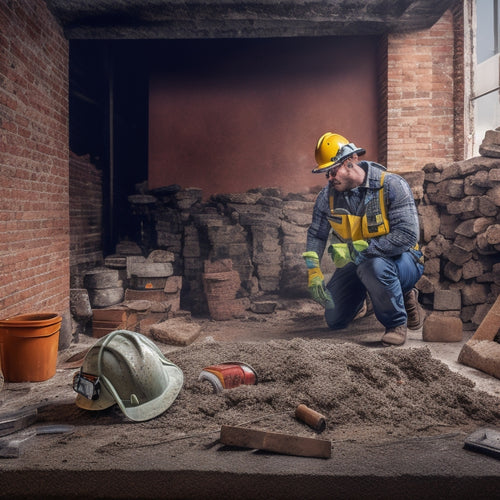
7 Must-Have Safety Gears for Brick Wall Renovation
When renovating a brick wall, you'll face a multitude of hazards, making it essential to wear and use the right safet...
-
7 Smart Tool Organization Tips for Small Renovations
As you tackle your small renovation, you're likely wasting precious time searching for misplaced tools. To enhance ef...
-
Get Discounted Plastering Tool Sets for DIY Renovations
You can find discounted plastering tool sets online, at local hardware stores, and thrift stores, offering a range of...
