
10 Tool Organization Tips for Home Renovation Success
As you prepare for your home renovation project, you know that efficient tool organization is essential to staying on track and on schedule. To get started, designate specific tool zones, such as a power tool zone, hand tool zone, and fastener and material zone, to enhance accessibility and reduce downtime. Centralize your tool storage by designating a tool station area, labeling and categorizing tools, and utilizing a pegboard system and vertical storage space. Implement practices like cleaning as you go and scheduling regular tool inventory to prevent tool loss and damage. By following these tips, you'll be well on your way to a successful renovation - and there's more to investigate that can take your project to the next level.
Key Takeaways
- Designate specific tool zones to enhance accessibility, reduce downtime, and promote tool safety during home renovations.
- Centralize tool storage with a designated tool station area, labeling, and categorization to reduce project duration and increase productivity.
- Utilize portable tool storage solutions and store heavy tools at floor level to facilitate efficient transport and prevent accidents.
- Implement organization and maintenance practices, such as a "clean as you go" policy and regular tool inventory, to prevent tool loss and damage.
- Maximize storage capacity with vertical storage space, pegboard systems, and adjustable shelves to streamline workflow and reduce project duration.
Designate a Tool Station Area
When tackling a home renovation project, one person can quickly accumulate a multitude of tools and equipment, leading to clutter and disorganization. To combat this, designate a tool station area to centralize your tools and equipment, ensuring easy access and efficient workflow.
Begin by identifying a suitable location for your tool station, considering factors such as proximity to your work area, available space, and accessibility. A well-planned tool station layout should prioritize frequently used tools and equipment, placing them within easy reach to minimize downtime.
This layout should also account for less frequently used items, storing them in a way that prevents clutter and promotes organization.
A tool station offers numerous benefits, including reduced project duration, increased productivity, and improved morale. By having all necessary tools and equipment readily available, you'll spend less time searching for misplaced items and more time focusing on the task at hand.
A well-organized tool station also helps prevent tool damage, loss, and theft, ultimately saving you time and money.
Label and Categorize Tools
You'll need a system to categorize your tools, and a well-thought-out tool category system will help you quickly identify where each tool belongs.
By grouping similar tools together, you'll make the most of your tool station area and reduce the time spent searching for misplaced items.
Next, you'll need to develop a tool labeling method that clearly indicates the category and contents of each storage container or section.
Tool Category System
Sort your tools into logical categories to create a well-organized system that saves you time and frustration.
This tool category system allows you to efficiently locate the right tool for the task at hand, reducing delays and errors. By grouping similar tool types together, you can:
-
Separate power tools from hand tools, ensuring that you don't mistakenly grab a heavy drill when you need a precision screwdriver.
-
Organize tools by function, such as grouping all drilling tools together or separating measuring tools from cutting tools.
-
Categorize tools by project type, like dedicating a section to woodworking tools or another to plumbing tools.
With this system, you'll experience significant organization benefits, including reduced tool loss, improved productivity, and enhanced workflow.
Tool Labeling Methods
Frequently, a well-organized tool collection is only as good as its labeling system. You've categorized your tools, but now it's time to label them for easy identification. A clear labeling system saves you time and reduces frustration when searching for a specific tool.
When creating your labeling system, consider using color coding to differentiate between tool categories or types. For example, you can use red labels for power tools, blue for hand tools, and green for measuring tools. This visual distinction makes it easy to spot the tool you need.
Magnetic labels are a great option for metal tools or toolboxes. They're easy to apply and can be reused multiple times. You can also use adhesive-backed labels or write directly on the tool with a permanent marker. Be sure to include the tool's name, category, and any relevant details, such as the tool's size or voltage.
Remember to keep your labels consistent regarding font, size, and layout. This consistency will help you quickly scan your tool collection and find what you need.
With a well-designed labeling system, you'll be able to locate tools efficiently, reducing downtime and increasing productivity on your home renovation project.
Use Portable Tool Boxes
The portable tool box becomes an indispensable asset when tackling a home renovation project, as it enables you to transport essential tools to various work sites efficiently.
With a portable toolbox, you can keep your tools organized, easily accessible, and protected from damage or loss. This efficient storage solution allows you to stay focused on the task at hand, rather than wasting time searching for misplaced tools.
Some of the key portable toolbox benefits include:
-
Convenience: Having your tools in one place saves you time and energy when moving between work sites.
-
Organization: Portable toolboxes often feature dividers and compartments, keeping your tools tidy and easy to find.
-
Protection: Your tools are shielded from dust, moisture, and other environmental factors that can cause damage.
Invest in a Pegboard System
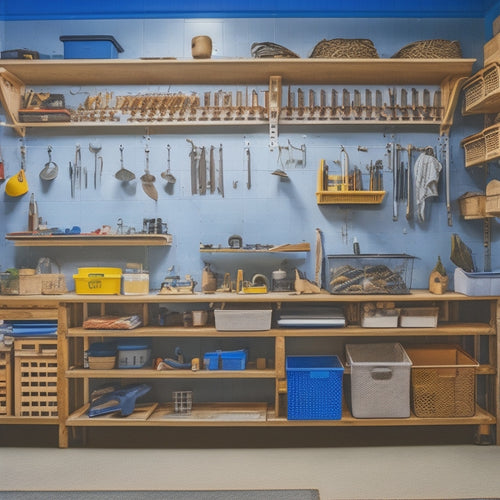
Optimize your workshop's storage capacity by investing in a pegboard system, a versatile and customizable solution for hanging tools, accessories, and equipment. You can tailor the pegboard to your specific needs through pegboard customization, allowing you to maximize storage space and guarantee easy access to frequently used items. This will enable you to quickly identify and grab the tools you need, enhancing your productivity and efficiency.
A pegboard system provides excellent tool visibility, making it easy to spot the tool you need at a glance. You can arrange tools in a logical order, grouping similar items together and labeling each hook or bin for quick identification. This organized setup also helps prevent tool loss and misplacement, saving you time and frustration.
Additionally, pegboards can be mounted on walls, ceilings, or even rolling carts, offering flexibility in your workshop layout. By investing in a pegboard system, you'll be able to streamline your workflow and focus on completing your home renovation projects efficiently.
Utilize Vertical Storage Space
By installing shelves, hooks, or bins that reach up to the ceiling, you can tap into the often-wasted vertical space in your workshop, effectively doubling or tripling your storage capacity.
This is especially important in small workshops or garages where floor space is limited.
To maximize your vertical storage, consider the following:
-
Wall mounted racks and hanging baskets for storing long-handled tools, bags, and accessories.
-
Adjustable shelves and vertical cabinets for storing bins, boxes, and other containers.
-
Magnetic strips and pegboard hooks for hanging small tools, accessories, and hardware.
Additionally, tool towers and overhead storage solutions can help keep your workshop floor clear of clutter.
Sliding drawers can also be installed under workbenches or in cabinets to store small items.
By utilizing vertical storage space, you can create a more organized, efficient, and productive workshop.
This will help you stay focused on your home renovation project and avoid wasting time searching for misplaced tools and materials.
Implement a "Clean as You Go" Policy
Nearly 60% of renovation delays are caused by misplaced tools and materials, which can lead to frustration and wasted time. Implementing a "clean as you go" policy can greatly reduce these delays and keep your project on track. This policy involves incorporating cleaning routines into your daily workflow, making sure that tools and materials are put away in their designated places after each use. By doing so, you'll avoid clutter buildup and prevent tools from getting lost or damaged.
To make this policy effective, establish clear organization strategies for your tools and materials. Designate specific areas for each type of tool or material, and label them accordingly. This will help you quickly identify where items belong and make it easier to put them away.
Additionally, set aside time at the end of each workday to tidy up your workspace and confirm everything is in its place. By following this "clean as you go" policy, you'll maintain a more organized and efficient workspace, reducing the likelihood of delays and increasing your overall productivity.
Assign Tools to Specific Zones
As you maintain a clean and organized workspace, it's equally important to designate specific zones for your tools. This strategy enhances tool accessibility, reduces downtime, and promotes tool safety.
By assigning tools to specific zones, you'll avoid clutter and guarantee that everything has a designated home.
Here are three key zones to take into account:
-
Power tool zone: Designate an area for your power tools, such as drills, saws, and sanders. This zone should be easily accessible and away from water sources to prevent electrical hazards.
-
Hand tool zone: Allocate a separate area for your hand tools, like hammers, pliers, and screwdrivers. This zone should be organized by tool type and frequency of use.
-
Fastener and material zone: Create a zone for your fasteners, such as nails, screws, and bolts, as well as materials like lumber, pipes, and wiring. This zone should be organized by type and size to facilitate easy retrieval.
Store Heavy Tools at Floor Level
You'll find that storing heavy tools at floor level is an important aspect of maintaining a well-organized workspace. This is vital for heavy tool safety, as it prevents accidents caused by tools falling from raised surfaces. By keeping heavy tools on the floor, you'll reduce the risk of injury and damage to surrounding objects.
When selecting floor storage solutions, consider the weight capacity and durability of the storage unit. Metal shelving units or heavy-duty cabinets with sturdy legs are ideal for holding heavy tools. Confirm the storage unit is securely anchored to the floor to prevent it from tipping over.
Additionally, organize your heavy tools in a logical and accessible manner. Group similar tools together, and place the most frequently used tools in an easy-to-reach location. This will save you time and effort when searching for a specific tool.
Keep Frequently Used Tools Accessible
To maximize your workflow efficiency, arrange frequently used tools in an easily accessible location, preferably within arm's reach. This will reduce the time spent on tool retrieval, allowing you to focus on the task at hand.
By doing so, you'll avoid unnecessary interruptions and stay in your workflow zone.
Here are three key considerations to guarantee ideal tool accessibility:
-
Designate a "hot zone": Identify the area where you spend most of your time working and allocate a specific space for frequently used tools. This could be a pegboard, a tool belt, or a nearby shelf.
-
Prioritize tool placement: Organize tools in order of frequency of use, with the most frequently used tools placed at eye level or within easy reach.
-
Implement a "one-touch rule": Store tools in a way that allows you to retrieve and return them with a single motion, minimizing the time spent on tool retrieval and storage.
Schedule Regular Tool Inventory
Behind every successful home renovation project lies a well-maintained tool inventory. You understand the importance of having the right tools for the job, but you also need to guarantee they're in good condition and easily accessible.
Scheduling regular tool inventory checks is vital to achieving this goal. Create a tool inventory checklist to help you keep track of your tools and their condition. Set aside time each season to conduct a thorough assessment of your tools.
This seasonal tool assessment will help you identify any tools that need maintenance, repair, or replacement. You'll also be able to detect any tools that are missing or have been misplaced.
During this assessment, take the opportunity to clean and organize your tools, and restock any consumables like batteries or blades. By scheduling regular tool inventory checks, you'll be able to tackle your renovation project with confidence, knowing that you have the right tools for the job and that they're in top condition.
Frequently Asked Questions
How Do I Keep My Tools From Getting Rusty During Storage?
You prevent tool rust by storing them in a dry, well-ventilated area with low humidity, using rust-inhibiting coatings or sprays, and keeping them clean and dry before storage to maintain tool rust prevention.
What Is the Best Way to Organize Small Parts and Accessories?
Imagine a treasure chest overflowing with tiny treasures, each one waiting to be paired with its perfect match. You're the expert curator, tasked with taming the chaos. Employ small container solutions and labeled storage bins to categorize and safeguard your precious items, ensuring effortless retrieval when needed.
Can I Use a Pegboard System on a Concrete Wall?
When considering pegboard installation, you'll need to guarantee secure wall mounting on your concrete wall by using anchor screws or molly bolts, which provide a strong hold, and then follow the manufacturer's instructions for a successful installation.
How Often Should I Clean and Maintain My Tools?
You're about to uncover an essential secret: a sparkling clean tool arsenal is just as important as a well-planned renovation. You'll avoid rust, corrosion, and performance degradation by establishing a regular tool cleaning routine and sticking to a strict maintenance schedule.
What Is the Ideal Temperature for Tool Storage?
When storing tools, you'll want to maintain a consistent temperature between 60°F and 70°F, ensuring humidity control and minimizing temperature fluctuations that can lead to rust, corrosion, or damage to sensitive electronics and mechanical components.
Conclusion
As you commence on your home renovation adventure, remember that a well-organized tool arsenal is the key to revealing success. With these 10 tool organization tips, you'll be firing on all cylinders, tackling tasks with precision and speed. Your newly streamlined workflow will be the well-oiled machine that drives your project forward, leaving chaos and frustration in the dust.
Related Posts
-

Streamlining Your Exterior Renovation Timeline
To streamline your exterior renovation timeline, start by identifying your project goals and objectives, and prioriti...
-

Streamline Your Exterior Renovation Timeline
To streamline your exterior renovation timeline, you'll need to approach the process strategically. Start by planning...
-
7 Best Tool Storage Ideas for Home Renovation
When it comes to home renovation, staying organized is key to maximizing productivity and minimizing wasted time. To ...
