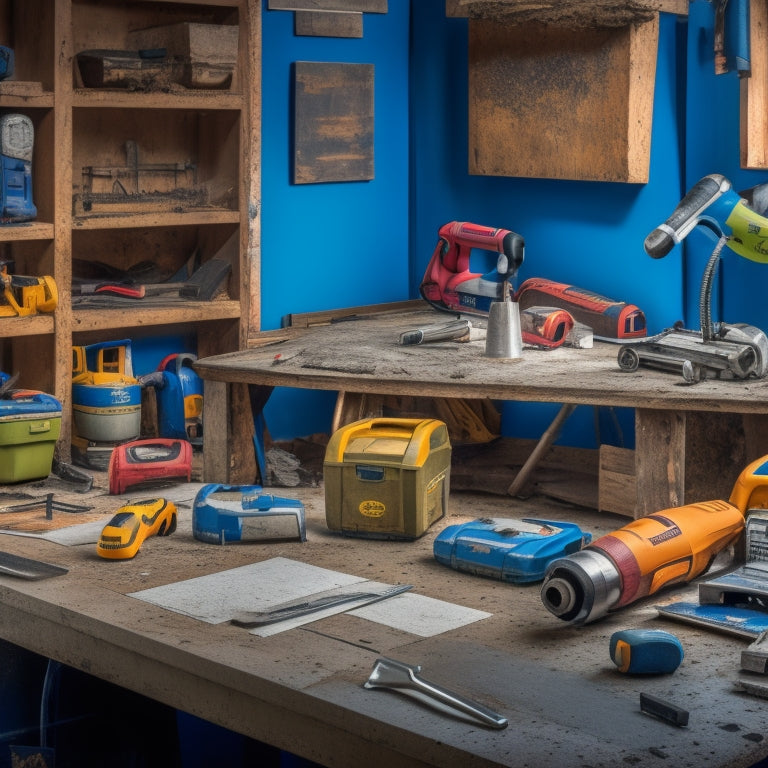
10 Best Tools for Wall Renovation Success
You're about to begin a wall renovation project, and having the right tools is vital to ensuring its success. You'll need concrete scanning and imaging tools to detect subsurface elements, surface preparation grinding machines to remove old adhesives, and crack repair injection systems to fill and seal cracks. Shot blasting equipment options are essential for preparing walls, while scarifying tools smooth rough surfaces. Epoxy coating application guns, concrete polishing and refining tools, and dustless sanding systems will also come in handy. With these 10 essential tools, you'll be well-equipped to tackle your wall renovation project - and following the right strategies for each tool will lead to a successful outcome.
Key Takeaways
• Surface preparation tools, like grinding machines and scarifying tools, are essential for removing old adhesives and contaminants from walls.
• Concrete detection and damage assessment tools, such as concrete scanning and imaging tools, help identify subsurface elements and hidden damage.
• Repair and coating tools, including crack repair injection systems and epoxy coating application guns, are necessary for filling and sealing cracks and applying coatings.
• Surface finishing tools, like concrete polishing and refining tools, and dustless sanding system solutions, enhance the appearance and durability of walls.
• Material removal and demolition tools, including shot blasting equipment and demolition hammers, are required for removing old materials and preparing walls for renovation.
Concrete Scanning and Imaging Tools
You'll need concrete scanning and imaging tools to accurately detect and map subsurface elements, such as rebar, conduit, and pipes, within the concrete structure before starting your renovation project. These tools are essential for identifying potential hazards and avoiding costly mistakes. Concrete scanning technologies have advanced considerably in recent years, offering high-resolution imaging and accurate data analysis.
With advanced imaging tool advancements, you can non-invasively scan concrete structures to identify embedded objects, crack patterns, and other hidden features. This information enables you to create detailed 2D and 3D maps of the subsurface, allowing for precise planning and execution of your renovation project.
Surface Preparation Grinding Machines
Six surface preparation grinding machines are vital for removing old adhesives, epoxies, and other substances from the concrete surface, guaranteeing a strong bond between the old and new materials.
You'll need these machines to prepare the surface for renovation, as they effectively remove contaminants and imperfections.
When selecting a surface grinding machine, consider the following key features:
-
Dust containment: Look for machines with built-in dust collection systems to minimize mess and maximize safety.
-
Variable speed control: This feature allows you to adjust the grinding speed to suit the specific surface and material you're working with.
-
Easy maintenance: Choose machines with simple, tool-free maintenance designs to reduce downtime and extend the life of your equipment.
Proper machine maintenance is also essential for peak performance and longevity.
Regularly inspect and clean your surface grinding machine to prevent dust and debris buildup.
Additionally, follow the manufacturer's guidelines for replacing worn or damaged parts to guarantee your machine continues to operate efficiently and effectively.
Crack Repair Injection Systems
Crack repair injection systems are designed to fill and seal cracks in concrete walls, effectively restoring structural integrity and preventing further damage.
As you initiate your wall renovation project, it's crucial to understand the importance of crack assessment. This process involves identifying the type, location, and severity of cracks to determine the best course of action. Once you've assessed the cracks, you can move on to selecting the most suitable injection technique.
There are several injection techniques to choose from, including epoxy injection, polyurethane injection, and acrylic injection. Each technique has its own strengths and weaknesses, and the right choice depends on the type of crack, its location, and the surrounding environment. Epoxy injection, for instance, is ideal for structural cracks, while polyurethane injection is better suited for non-structural cracks.
When selecting a crack repair injection system, consider the equipment's ease of use, the type of material being injected, and the system's compatibility with your specific project requirements. By doing so, you'll be able to effectively fill and seal cracks, ensuring a strong and durable wall structure.
Shot Blasting Equipment Options
Frequently, shot blasting equipment is essential for preparing walls for renovation, as it effectively removes old paint, dirt, and other substances that can compromise the bond between the existing surface and new finishes.
When choosing shot blasting equipment, you'll want to evaluate the type of surface you're working with, as well as the level of profiling required. This will help you determine the right shot blasting technique and equipment for the job.
Some popular shot blasting equipment options include:
-
Handheld shot blasters, ideal for small areas and tight spaces
-
Walk-behind shot blasters, suitable for larger areas and more aggressive profiling
-
Automated shot blasting systems, perfect for high-volume production and large-scale projects
Scarifying Tools for Rough Surfaces
When you're working with scarifying tools for rough surfaces, you'll need to tackle three key tasks.
You'll need to remove old adhesives that can interfere with new finishes.
Smooth out rough patches to guarantee an even surface.
And expose any hidden damage that requires attention.
Removing Old Adhesives
You'll need to employ scarifying tools to effectively remove old adhesives from rough surfaces, as they help break down and scrape away stubborn residue. This process is essential for successful adhesive removal and surface treatment.
Scarifying tools are designed to roughen the surface, allowing for better bonding of new materials.
When choosing a scarifying tool, consider the following factors:
-
Speed and efficiency: Opt for tools with high RPMs or stroke rates to quickly remove old adhesives.
-
Aggressive action: Select tools with coarse abrasives or blades to effectively break down stubborn residue.
-
Dust control: Choose tools with built-in dust collection or vacuum attachments to minimize mess and debris.
Smoothing Rough Patches
With scarifying tools, you can tackle rough surfaces by aggressively breaking down ridges and imperfections, ultimately creating a smoother canvas for new materials. By using these tools, you'll be able to remove old, uneven textures and create a more even surface for your renovation project. Scarifying tools are perfect for smoothing rough patches, allowing you to focus on applying new patching materials and finishes.
When it comes to smoothing techniques, scarifying tools are an essential step in the process. By breaking down rough surfaces, you'll be able to create a surface that's more receptive to new materials and finishes. This is especially important when working with patching materials, as a smooth surface guarantees a strong bond between the old and new materials.
Scarifying tools come in a variety of forms, including handheld scrapers, rotary hammers, and sanding blocks. Each tool is designed to tackle specific types of rough surfaces, so be sure to choose the right tool for your project. By incorporating scarifying tools into your renovation process, you'll be able to achieve a smooth, even finish that's perfect for applying new materials and finishes.
Exposing Hidden Damage
Exposing Hidden Damage
By aggressively removing old textures and imperfections with scarifying tools, you're likely to uncover hidden damage that might've gone unnoticed otherwise. This vital step in wall renovation helps identify potential issues before they become major problems. As you expose the underlying surface, look out for hidden damage indicators such as water stains, cracks, or unevenness.
To guarantee a thorough inspection, use the following techniques:
-
Moisture detection techniques: Utilize tools like moisture meters or infrared thermometers to detect hidden water damage or leaks.
-
Visual inspection: Closely examine the exposed surface for signs of damage, decay, or corrosion.
-
Tapping and sounding: Gently tap on the surface to identify hollow or uneven areas, indicating potential structural issues.
Dustless Sanding System Solutions
Dustless sanding systems utilize advanced filtration technology to capture up to 99.97% of dust particles, minimizing airborne contaminants and creating a cleaner work environment. When you're renovating walls, you know how quickly dust can spread and settle everywhere. That's why investing in a dustless sanding system is a game-changer. These systems employ effective dust control strategies to keep your workspace clean and safe.
You'll appreciate the versatility of vacuum attachments that can be easily connected to your sanding tool. These attachments guarantee that dust is sucked up immediately, leaving your surface smooth and dust-free.
With a dustless sanding system, you can work more efficiently and with greater precision. You'll reduce the risk of dust-related health issues and minimize the need for additional cleanup.
Epoxy Coating Application Guns
When you're working with epoxy coatings, you'll need the right gun for the job.
You'll want to choose an epoxy coating application gun that suits your specific project, whether it's a small touch-up or a large-scale renovation.
Gun Types and Uses
You'll need to select the right epoxy coating application gun for your wall renovation project, depending on the specific requirements of your job and the type of epoxy coating you're using.
With so many options available, it can be overwhelming to choose the best gun for your project. However, understanding the different types of guns and their uses can make all the difference.
When it comes to epoxy coating application guns, there are several types to evaluate:
Pneumatic guns: These guns use compressed air to dispense the epoxy coating, making them ideal for large, high-volume projects. They're often used in conjunction with pneumatic nailers to streamline the application process.
Caulking guns: These guns are designed for smaller, more precise applications, such as applying epoxy coating to corners, edges, or small surfaces.
Manual guns: These guns rely on manual pressure to dispense the epoxy coating, making them a cost-effective option for small to medium-sized projects.
Easy Cleanup Features
Epoxy coating application guns equipped with easy cleanup features save you time and effort by minimizing the hassle of residue removal, making them a valuable asset for efficient project completion.
When you're working with epoxy coatings, you know how frustrating it can be to deal with leftover residue on your tools. That's why guns with easy cleanup features are a game-changer. They allow you to quickly and easily remove excess epoxy, reducing the risk of clogs and ensuring that your gun remains in good working condition.
Look for guns with features like removable nozzles, easy-twist valves, and solvent-resistant materials. These features promote cleanup efficiency and make it easier to maintain your tools.
Additionally, many epoxy coating application guns with easy cleanup features are designed with eco-friendly solutions in mind. They reduce waste, minimize the use of harsh chemicals, and promote sustainable practices.
Concrete Polishing and Refining
Take control of your concrete floor's appearance by polishing and refining it, a process that involves grinding and honing the surface to achieve a high-gloss finish. This process is essential for improving concrete aesthetics and surface durability.
By polishing your concrete floor, you'll not only enhance its visual appeal but also increase its resistance to stains, scratches, and wear.
Here are some benefits you can expect from polishing and refining your concrete floor:
-
Improved reflectivity: Polishing your concrete floor can increase its reflectivity, making it appear more vibrant and lively.
-
Enhanced durability: The polishing process helps to densify the concrete, making it more resistant to stains, scratches, and wear.
-
Easy maintenance: Polished concrete floors are easy to clean and maintain, reducing the need for frequent repairs and replacements.
Wall Cleaning and Preparation
Before applying any renovation materials, thoroughly clean your walls to remove dirt, grime, or old adhesives that may interfere with the bonding process. This vital step guarantees a strong bond between the new materials and the existing wall surface.
Start by conducting a wall surface assessment to identify any areas that require special attention. Check for cracks, holes, or uneven surfaces that may need to be addressed before applying cleaning solutions.
Choose the right cleaning solutions for your wall type. For instance, a mild detergent and water may be sufficient for most interior walls, while more aggressive cleaners may be needed for exterior walls or those with heavy grime buildup.
Scrub the walls gently but thoroughly, using a soft-bristled brush or a non-abrasive scrubber to avoid damaging the surface. Rinse the walls completely with clean water to remove any soap residue.
Allow the walls to dry completely before moving on to the next step in your renovation process. By taking the time to properly clean and prepare your walls, you'll guarantee a successful renovation that lasts for years to come.
Material Removal and Demolition
As you move forward with your wall renovation, you'll need to efficiently remove old materials and demolish existing structures.
To do this, you'll rely on the right tools and techniques, which will save you time and effort in the long run.
You'll focus on selecting the best demolition hammer for the job and mastering wall scraping techniques to get the results you need.
Demolition Hammer Essentials
You'll need a reliable demolition hammer to efficiently break up and remove materials like concrete, asphalt, or brick during your wall renovation project.
There are various types of demolition hammers to choose from, including electric, pneumatic, and hydraulic models. Each type has its own strengths and weaknesses, so it's vital to select the right one for your specific task.
When working with a demolition hammer, safety precautions are imperative. Here are a few key considerations to keep in mind:
-
Wear protective gear: Always wear safety glasses, gloves, and a dust mask to prevent injury from flying debris and dust.
-
Choose the right bit: Select a bit that's designed for your specific material and task, such as a chisel bit for breaking up concrete or a point bit for demolition work.
-
Maintain control: Keep a firm grip on the hammer and maintain control at all times to avoid accidents and guarantee efficient material removal.
Wall Scraping Techniques
With your demolition hammer in hand, you're now ready to tackle the next phase of material removal and demolition by employing effective wall scraping techniques. This stage is essential in removing old finishes, textures, and adhesive residues from the wall surface.
To achieve ideal results, you'll need to select the right tools for the job. For instance, a putty knife or a 4-inch scraper is ideal for removing loose debris and old adhesives, while a floor scraper or a wall scraper is better suited for tackling more stubborn materials.
When it comes to tool selection, consider the type of material you're working with and the level of aggression required. A rasp or an angle grinder can be used for more aggressive scraping, while a wire brush or a scrubber is better for gentler applications.
Additionally, don't forget to wear protective gear, including gloves, safety glasses, and a dust mask, to minimize the risk of injury and exposure to hazardous materials.
Frequently Asked Questions
What Safety Gear Is Necessary for Wall Renovation Projects?
When tackling a wall renovation project, you'll need essential safety gear, including safety goggles to protect your eyes from debris and dust masks to prevent inhalation of hazardous particles, ensuring a safe working environment.
Can Wall Renovation Be Done by a DIY Homeowner?
You're wondering if you can tackle that wall renovation solo? Absolutely! With the right DIY techniques and homeowner tips, you can successfully renovate your walls, but be prepared to invest time and effort to get it done.
How Do I Dispose of Hazardous Renovation Materials?
You'll need to separate hazardous materials like asbestos, lead paint, and chemicals from recyclable renovation waste. Contact local authorities for hazardous waste disposal facilities and explore renovation material recycling options to guarantee environmentally responsible disposal.
Do I Need a Permit for a Wall Renovation Project?
You'll need to determine if a permit is required for your wall renovation project by researching local renovation regulations, which vary by area, and understanding the different permit types, such as electrical or plumbing permits.
Can I Renovate a Wall With Asbestos-Containing Materials?
You'll need to exercise extreme caution when renovating a wall with asbestos-containing materials, adhering to strict asbestos removal protocols and renovation guidelines to guarantee a safe and compliant project that protects your health and the environment.
Conclusion
You've made it! You've survived the arduous journey of wall renovation.
Pat yourself on the back, take a deep breath, and gaze upon your newly transformed walls.
But let's be real, you're probably already planning your next renovation project, because, let's face it, one renovation always leads to another (and another, and another...).
So, go ahead, bookmark this article, and get ready to do it all again.
Related Posts
-
Why Invest in Quality Plastering Tools for Renovation
When renovating, investing in quality plastering tools is essential for achieving professional-looking results and mi...
-

Streamlining Your Exterior Renovation Timeline
To streamline your exterior renovation timeline, start by identifying your project goals and objectives, and prioriti...
-
Top 5 Plastering Tools for Small Renovation Jobs
For small renovation jobs, you'll want to start with the top 5 crucial plastering tools: a putty knife for applying a...
