
What to Expect From a Stucco Renovation Project
As you commence your stucco renovation project, you'll need to identify renovation needs, assess damage and decay, and prepare for the process. Create a realistic timeline and budget, considering the stucco's age, environment, and previous repairs. Look for signs of water infiltration, cracks, and delamination, and conduct decay analysis on the underlying structure. Secure necessary permits, select a qualified contractor, and hire a structural engineer to inspect for potential damage. By understanding what to expect, you'll be better equipped to traverse the renovation process; now, learn how to overcome common challenges and guarantee a successful outcome.
Key Takeaways
- Identify renovation needs, evaluate stucco condition, and create a realistic timeline and budget to ensure a successful outcome.
- Assess damage and decay by evaluating signs of water infiltration, cracks, and delamination, and perform decay analysis on the underlying structure.
- Prepare for the renovation process by obtaining proper permits, selecting a qualified contractor, and hiring a structural engineer to inspect for potential damage.
- Anticipate hidden structural damage and include a contingency fund in the budget to cover unforeseen expenses and material costs due to market fluctuations.
- Choose the right stucco type based on climate, budget, and style, and consider factors such as durability, maintenance, and energy efficiency.
Understanding Stucco Renovation Needs
As you commence on a stucco renovation project, identifying the renovation needs is vital to secure a successful outcome. You must determine the scope of work required to restore your stucco exterior to its original state. This involves evaluating the condition of the stucco, examining its structural integrity, and identifying areas that require repair or replacement.
By understanding the renovation needs, you can create a realistic renovation timeline and budget. Stucco maintenance tips can also play an important role in determining the renovation needs. Regular inspections and maintenance can help prevent minor issues from escalating into major problems, reducing the scope of the renovation project.
When creating your renovation plan, consider factors such as the age of the stucco, environmental conditions, and previous repairs or alterations. A thorough understanding of the renovation needs will enable you to prioritize tasks, allocate resources efficiently, and guarantee a successful stucco renovation project.
Assessing Damage and Decay
You've determined the renovation needs, now it's time to get specific about the damage and deterioration that requires attention. This is a critical step in your stucco renovation project, as it will help you identify the root causes of the issues and develop an effective plan to address them.
Conduct a thorough damage evaluation to gauge the extent of the damage. Look for signs of water infiltration, cracks, and delamination. Check for soft spots, bulges, or unevenness in the stucco surface.
Take note of any areas where the stucco is separating from the substrate or has fallen off completely.
Next, perform a decay analysis to determine the extent of damage to the underlying structure. Check for rotting wood, rusted metal, or corroded fasteners.
Identify any areas where the stucco has been compromised, allowing water to seep behind it and cause further damage.
Stucco Material Estimation Calculator
With your damage assessment complete, turning your attention to estimating the materials needed for the renovation is the next logical step.
You'll need to determine the quantity of stucco required, which involves calculating the surface area to be covered. A stucco material estimation calculator can be a significant tool in this process. It takes into account factors such as stucco thickness considerations, which can vary depending on the climate and local building codes.
Climate impact analysis is also essential, as it affects the type and amount of stucco needed. For instance, areas with high winds or extreme temperatures may require additional materials for added durability.
The calculator will consider these factors to provide an accurate estimate of the materials needed. Additionally, it will help you account for any necessary accessories, such as flashing, weep screed, and control joints.
Choosing the Right Stucco Type
You're faced with two primary stucco material options: traditional and synthetic.
Each has its unique characteristics, advantages, and disadvantages, which you'll need to reflect upon when choosing the right stucco type for your renovation project.
Understanding the differences between these options will help you make an informed decision that meets your specific needs and budget.
Stucco Material Options
Selecting the right stucco type is essential to a successful renovation project, as it directly impacts the durability, maintenance, and aesthetic appeal of your exterior finish.
As you consider your stucco material options, you'll encounter a range of possibilities that cater to your specific needs and preferences.
You'll find various stucco color options, from earthy tones to bold hues, allowing you to match or contrast with your home's surroundings.
Additionally, stucco texture choices are just as diverse, with options like rough, smooth, or patterned finishes. These textures can add visual interest, create a unique look, or even mimic natural surfaces like stone or brick.
When evaluating stucco material options, consider factors like climate, budget, and personal style.
For instance, if you live in an area prone to heavy rainfall, you may want a stucco type that's more resistant to water damage.
Similarly, if you're looking for a low-maintenance option, certain stucco materials may be more suitable than others.
Traditional Vs. Synthetic
Your stucco renovation project's success hinges on choosing the right type of stucco, and that decision ultimately comes down to traditional vs. synthetic.
Traditional stucco, also known as "hard coat" stucco, uses a mixture of cement, sand, and water to create a durable, long-lasting exterior finish. Its advantages include superior durability, low maintenance, and a natural, textured appearance. However, it's more labor-intensive and prone to cracking.
Synthetic stucco, on the other hand, is a newer, more modern alternative made from a mixture of polymer resin and aggregate materials. Its benefits include improved flexibility, reduced weight, and enhanced resistance to cracks and water damage.
Synthetic stucco is also more energy-efficient and requires less labor to install. However, it may lack the natural look and feel of traditional stucco, and its long-term durability is still being tested.
When deciding between traditional and synthetic stucco, consider your project's specific needs, budget, and desired aesthetic. Assessing the traditional advantages against the synthetic benefits will help you make an informed decision that meets your renovation goals.
Preparing for the Renovation Process
As you commence your stucco renovation project, it's vital to take a step back and assess the current state of your exterior walls, considering factors such as the extent of damage, structural integrity, and existing materials. This evaluation will help you identify potential issues and determine the scope of the project.
| Task | Responsibility |
| Obtaining proper permits | Homeowner/Contractor |
| Inspecting existing stucco | Contractor |
| Identifying structural damage | Structural Engineer |
| Selecting a qualified contractor | Homeowner |
| Creating a detailed project timeline | Contractor/Homeowner |
When preparing for the renovation process, it's important to secure proper permits from local authorities to guarantee compliance with building codes and regulations. You should also select a qualified contractor who has experience with stucco renovation projects. Additionally, consider hiring a structural engineer to inspect your exterior walls and identify any potential structural damage. By taking these steps, you'll be well-prepared for a successful stucco renovation project.
Scheduling and Timeline Management
Get down to business by mapping out a detailed project schedule, breaking down the stucco renovation process into manageable tasks with realistic deadlines. This will help you visualize the entire project, identify potential roadblocks, and make adjustments before the project kickoff.
A well-planned schedule allows you to allocate resources effectively, minimize delays, and guarantee a smooth workflow.
When creating your schedule, be certain to build in timeline flexibility to accommodate unexpected setbacks or changes. This could include weather-related delays, material shortages, or unforeseen structural issues.
By factoring in contingencies, you can avoid costly delays and keep your project on track.
As you work through your project schedule, prioritize tasks based on importance and urgency. Identify critical path activities that have a direct impact on the project timeline and allocate resources accordingly.
Budgeting for Unexpected Costs
When you're planning a stucco renovation project, you can't anticipate every possible issue, but you can prepare for them.
You'll need to account for hidden structural damage that may not be visible until demolition begins, and factor in contingency fund planning to cover unexpected expenses.
Additionally, you should also consider allocating extra funds for unexpected material costs that may arise due to changes in market prices or availability.
Hidden Structural Damage
You're likely aware that stucco renovation projects often uncover hidden structural damage, and you're probably wondering how to budget for these unexpected costs. The truth is, hidden issues can be costly and time-consuming to repair. That's why it's vital to understand the common types of structural damage that can arise during a stucco renovation project.
One of the most common hidden issues is water damage, which can lead to rotted wood, corroded metal, and compromised structural integrity. Other common problems include termite damage, foundation cracks, and inadequate flashing.
When these issues are uncovered, specialized repair techniques are required to restore the structure's integrity. For instance, water damage may require the removal and replacement of rotten wood, while termite damage may necessitate the application of pest control measures.
It's important to work with an experienced contractor who can identify these hidden issues early on and develop a plan to address them. By doing so, you can minimize the financial impact of these unexpected costs and guarantee a successful stucco renovation project.
Contingency Fund Planning
Your stucco renovation project's budget should include a contingency fund to account for the unexpected costs that often arise from hidden structural damage. This fund serves as a financial safety net, guaranteeing that your project stays on track and within budget despite unforeseen expenses.
| Contingency Fund Allocation | Recommended Percentage of Renovation Budget |
| Unforeseen structural repairs | 10% - 15% |
| Material upgrades or changes | 5% - 10% |
| Permits and inspection fees | 2% - 5% |
| Miscellaneous expenses (e.g., utility relocation) | 3% - 5% |
When determining your contingency fund, consider the age and condition of your stucco, as well as the complexity of the renovation. A well-planned contingency fund will help you avoid cost overruns and guarantee that your project is completed to your satisfaction. By allocating a percentage of your renovation budget to contingencies, you'll be better equipped to handle unexpected expenses and stay within your financial means.
Unexpected Material Costs
As you allocate a percentage of your renovation budget to contingencies, it's important to contemplate the potential for unexpected material costs.
Stucco pricing trends can fluctuate, and renovation material sourcing can be unpredictable. You may encounter unforeseen expenses due to changes in material availability, supplier pricing, or unexpected damage to existing structures.
When budgeting for unexpected costs, consider the following factors: stucco type, quantity, and quality. For instance, high-quality stucco materials or custom finishes may be more expensive than standard options.
Additionally, sourcing materials from specific manufacturers or suppliers can impact pricing. Be prepared to adapt your renovation plan if material costs exceed initial estimates.
It's vital to maintain open communication with your contractor and suppliers to mitigate the risk of unexpected material costs. By doing so, you can adjust your budget and plan accordingly, ensuring a successful stucco renovation project.
Ensuring a Successful Renovation
During the stucco renovation project, careful planning and execution are essential to achieving a successful outcome.
You'll want to guarantee that your design aesthetics align with your project goals, so take the time to create a detailed plan and scope of work. This will help you stay focused on your objectives and avoid costly changes down the line.
When it comes to contractor selection, don't settle for anything less than the best.
Research local contractors, check their licenses and certifications, and read online reviews to find the most qualified professional for the job.
Be certain to ask about their experience with stucco renovations and request references from previous clients.
Frequently Asked Questions
Can I Stay in My Home During the Stucco Renovation Process?
You can likely stay in your home during the stucco renovation, but be prepared for increased noise levels and potential disruptions, depending on the renovation duration, which can vary from a few weeks to several months.
How Do I Protect My Landscaping During the Renovation?
Your landscaping is like a delicate flower, vulnerable to damage. You'll need to shield it from harm by installing terrain barriers and applying protective coverings to prevent debris and material spills from ruining your outdoor oasis.
Will the Renovation Affect My Home's Resale Value?
When renovating, you're making a smart investment, as a well-executed stucco renovation can greatly enhance your home's resale value, providing a strong investment return, and potentially increasing your property's appeal to potential buyers.
Can I Customize the Stucco Color and Finish to Match My Preferences?
You can absolutely customize the stucco color and finish to match your preferences, exploring various stucco texture options and undergoing a thorough color selection process to guarantee a perfect blend that complements your home's unique style.
Are Stucco Renovation Contractors Required to Have Special Licenses?
You'll find a million contractors claiming stucco proficiency, but only a select few hold the necessary licenses and certifications, like the International Association of Certified Home Inspectors (InterNACHI) or the National Association of the Remodeling Industry (NARI), to guarantee your stucco renovation meets local building codes and stucco types.
Conclusion
As you commence your stucco renovation project, remember that it's a marathon, not a sprint. Be prepared to maneuver through twists and turns, and don't be blindsided by unexpected costs. With a solid understanding of the process, a hint of flexibility, and a pinch of patience, you'll be rewarded with a stunning, durable exterior that will be the envy of the neighborhood.
Related Posts
-

Top Drill for Concrete Wall Renovation
When choosing the top drill for your concrete wall renovation, you'll want to prioritize key features like drill powe...
-

Top 3 Insurance Options for Home Renovation
When renovating your home, you need specialized insurance coverage to protect your finances from unexpected setbacks ...
-
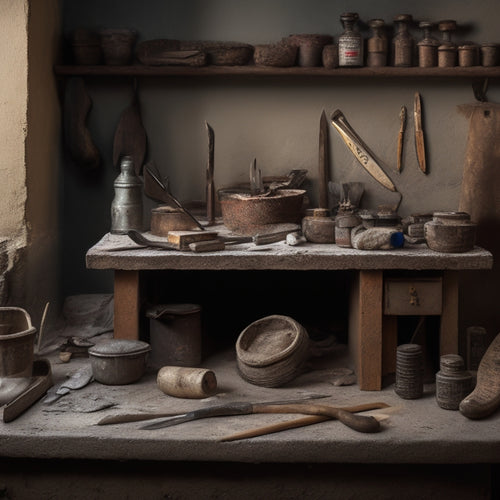
Stucco Tool Kit Checklist for Home Renovation
You'll need a thorough stucco tool kit to guarantee a successful home renovation, as the right tools can make all the...
