
Top Plaster Options for DIY Home Renovation Success
When tackling a DIY home renovation, you'll want to choose the right plaster type to guarantee a durable, long-lasting finish. Consider the substrate material, desired finish, and environmental conditions to select from lime-based, gypsum-based, or cement-based plasters. Each has its benefits, such as moisture transfer, fire resistance, or impact resistance. Proper surface preparation and application techniques, like using a putty knife and trowel, are essential for a smooth finish. By understanding the characteristics and requirements of each plaster type, you'll be well on your way to achieving a professional-looking result that will impress - and the next steps will reveal even more details to perfect your project.
Key Takeaways
• Choose the right plaster type based on substrate material, desired finish, and environmental conditions for a successful DIY renovation.
• Lime-based plasters are ideal for historic buildings and humid areas, while gypsum-based plasters are suitable for dry areas and offer better fire resistance.
• Proper surface preparation, including cleaning and priming, is crucial for a smooth and even plaster finish.
• Apply plaster in thin, even layers, working in small sections to maintain coverage and prevent streaks and imperfections.
• Regular maintenance, including dusting and avoiding harsh cleaners, is essential to preserve the beauty and durability of the plaster finish.
Choosing the Right Plaster Type
When selecting a plaster type for your DIY renovation, you'll need to contemplate the specific requirements of your project, including the substrate material, desired finish, and environmental conditions.
The right plaster type will guarantee a durable and long-lasting finish, while the wrong one can lead to cracks, peeling, and other issues.
There are several plaster types to choose from, each with its own unique characteristics and benefits. For instance, lime-based plasters are ideal for historic buildings or areas with high humidity, as they allow for moisture transfer and breathability.
On the other hand, gypsum-based plasters are more suitable for dry areas and offer better fire resistance. Cement-based plasters are durable and resistant to impact, making them perfect for high-traffic areas.
Regardless of the plaster type you choose, proper surface preparation is vital. Confirm the substrate is clean, dry, and free of any imperfections.
Apply a bonding agent to create a strong bond between the plaster and substrate. By considering these factors and preparing the surface correctly, you'll be able to achieve a professional-looking finish that will last for years to come.
Venetian Plaster for Luxury Look
You can achieve a luxurious, high-end appearance with Venetian plaster, a premium finish that's ideal for creating a sophisticated ambiance in your DIY renovation project. This high-quality plaster is made from a mixture of lime putty, marble dust, and pigments, which gives it a unique, luminous sheen.
To get the most out of Venetian plaster, make certain to follow proper application techniques:
-
Apply multiple thin layers: Build up layers gradually to achieve a smooth, even finish.
-
Use the right tools: Invest in a high-quality trowel and putty knife to guarantee a smooth, bubble-free application.
-
Work in small sections: Divide your wall into smaller areas to maintain even coverage and prevent streaks.
- Seal with wax or varnish: Protect your Venetian plaster from moisture and enhance its appearance with a clear sealant.
When it comes to maintenance, keep in mind that Venetian plaster is relatively low-maintenance. Simply dust regularly and avoid using harsh cleaning products to preserve its beauty.
With proper application and care, Venetian plaster can add a touch of luxury to your DIY renovation project.
Cost-Effective Drywall Plaster
When opting for cost-effective drywall plaster, you'll find that it offers a trio of benefits that make it an attractive choice for your DIY renovation.
You'll save money with budget-friendly material options, simplify the process with an easy installation process, and enjoy a durable finish that's guaranteed to last.
Budget-Friendly Material Options
Drywall plaster, a cost-effective alternative to traditional plaster, offers a range of budget-friendly material options for DIY renovators. When it comes to choosing an affordable plaster, you'll want to evaluate materials that not only fit your budget but also align with your eco-friendly goals. Here are some options to evaluate:
-
Gypsum-based plaster: A popular choice for DIY projects, gypsum-based plaster is an affordable and eco-friendly option that's easy to work with.
-
Lime-based plaster: Made from natural limestone, lime-based plaster is a sustainable option that provides a smooth finish and is resistant to mold and mildew.
-
Cement-based plaster: A cost-effective option that's perfect for large projects, cement-based plaster is durable and long-lasting.
- Recycled drywall compound: A budget-friendly and eco-friendly option, recycled drywall compound is made from recycled materials and can be used for a variety of DIY projects.
These budget-friendly material options offer a range of benefits, from being eco-friendly to providing a smooth finish.
Easy Installation Process
With your budget-friendly material selected, it's time to focus on the easy installation process that makes cost-effective drywall plaster a popular choice for DIY renovators.
To guarantee a smooth application, start by preparing the surface. Clean the drywall thoroughly, and fill any holes or imperfections with joint compound. Sand the area to create a smooth finish, and wipe away any dust or debris.
Next, apply a coat of primer to the drywall, making sure to cover the entire surface. This will help the plaster adhere evenly.
When applying the plaster, use a putty knife to spread it evenly, holding the knife at a 45-degree angle. Work in small sections, about 4 feet by 4 feet, to maintain even coverage.
Use a level to guarantee the plaster is applied straight and level. For a smooth finish, use a trowel to remove any excess plaster and create a uniform texture.
Durable Finish Guarantee
What sets cost-effective drywall plaster apart from other finishing options is its ability to deliver a durable finish that resists cracks and fading, ensuring your DIY renovation stands the test of time.
This means you can enjoy a beautiful, long-lasting finish without the hassle of frequent touch-ups.
To maximize finish longevity, follow these maintenance tips:
-
Regular cleaning: Gently wipe down surfaces with a damp cloth to prevent dirt buildup.
-
Avoid harsh chemicals: Never use abrasive cleaners or strong solvents, which can damage the finish.
-
Control humidity: Maintain a stable humidity level in your home to prevent moisture-related issues.
- Touch up scratches: Address minor scratches promptly to prevent them from becoming major problems.
Durable Cement-Based Plaster Options
You'll find that cement-based plaster options, such as gauged lime plaster and cement-lime plaster, offer exceptional durability and resistance to wear and tear.
These types of plasters are ideal for high-traffic areas and rooms prone to moisture, like bathrooms and kitchens.
When working with cement-based plasters, it's crucial to master the correct plaster mixing techniques to achieve the desired consistency and strength.
A general rule of thumb is to mix one part cement to two parts sand, but this ratio may vary depending on the specific cement plaster type you're using.
Additionally, make sure you're using the right type of sand, as it can affect the final finish and durability of the plaster.
For instance, sharp sand is better suited for undercoats, while fine sand is ideal for finish coats.
Easy-to-Apply Gypsum Plaster
When you choose an easy-to-apply gypsum plaster, you'll appreciate its quick drying formula that saves you time and effort.
This means you can complete your DIY renovation project faster, without sacrificing quality.
With this type of plaster, you can also expect a smooth finish guarantee, ensuring a professional-looking result that will impress.
Quick Drying Formula
This quick-drying formula, a type of easy-to-apply gypsum plaster, reduces waiting time between coats to as little as 30 minutes, allowing you to complete projects efficiently.
With its fast setting properties, you can tackle repair projects without delay. This quick-drying formula is ideal for DIY enthusiasts who value time-saving solutions.
Here are some benefits you can expect from this quick-drying formula:
-
Rapid drying: Complete projects in record time, with minimal waiting between coats.
-
Increased productivity: Focus on other tasks while the plaster dries, maximizing your work output.
-
Improved workflow: With faster drying times, you can apply multiple coats in a single day, streamlining your renovation process.
- Enhanced flexibility: This quick-drying formula allows you to adapt to changing project requirements, making it perfect for repair projects with tight deadlines.
Smooth Finish Guarantee
Achieving a smooth finish assurance with easy-to-apply gypsum plaster is a top priority for DIY renovators, as it guarantees a professional-looking result with minimal effort and expertise. You'll be pleased to know that this type of plaster is designed to simplify the application process, ensuring a flawless finish without the need for extensive smoothing techniques.
The key to success lies in proper surface preparation and applying the plaster in thin, even layers. As you work, use a putty knife or trowel to spread the mixture evenly, feathering it out towards the edges to prevent buildup.
Once the initial coat is dry, you can move on to the finishing touches. Lightly sand the surface to remove any imperfections, then apply a second coat if necessary.
With easy-to-apply gypsum plaster, you can achieve a smooth, blemish-free finish that rivals the work of a professional. By following these simple steps and using the right materials, you'll be able to enjoy a beautifully renovated space that you'll be proud to call your own.
Lime-Based Plaster for Heritage Homes
You'll likely need to specify a lime-based plaster for your heritage home renovation, as it's the most compatible choice for historically accurate restorations. This traditional material is essential for heritage preservation, as it guarantees the authenticity of the original structure. When it comes to lime application, you'll want to get it right to maintain the integrity of your heritage home.
Here are some key benefits to reflect on:
-
Breathability: Lime-based plaster allows for airflow and moisture transfer, reducing the risk of trapped moisture and subsequent damage.
-
Flexibility: This type of plaster is more flexible than modern alternatives, making it better suited for older homes with settling foundations.
-
Aesthetics: Lime-based plaster can be finished to achieve a range of textures and appearances, from smooth to decorative.
- Durability: With proper application and maintenance, lime-based plaster can last for centuries, making it a worthwhile investment for heritage home renovation.
Frequently Asked Questions
Can I Mix Different Types of Plaster for a Unique Finish?
You're wondering if you can mix different types of plaster for a unique finish. The answer is yes, but with caution.
Combining plaster types can create unique textures, but it's vital to take into account their individual properties.
Make certain the plasters you mix have similar setting times and strengths to avoid inconsistencies.
Experiment with small batches to achieve the desired effect, and be prepared to adjust your ratio or technique as needed.
How Do I Ensure a Smooth Finish With DIY Plastering?
Like a master artist, you're about to create a stunning canvas - your walls!
To guarantee a smooth finish with DIY plastering, you'll need to master the right techniques.
Start by applying a thin, even layer of plaster, then use smoothing tools like trowels or floats to remove excess material.
Work in small sections, feathering the edges to prevent ridges.
What Safety Gear Is Required When Working With Plaster?
When working with plaster, you'll need to prioritize safety gear to protect yourself from potential hazards.
Start by wearing respiratory protection, such as a dust mask or respirator, to prevent inhalation of plaster dust. This fine dust can cause respiratory issues and other health problems.
Additionally, wear protective eyewear, gloves, and a long-sleeved shirt to prevent skin and eye irritation.
Don't forget a dust-controlling vacuum and a wet sponge to minimize dust dispersal.
Can I Plaster Over Existing Paint or Wallpaper?
When deciding if you can plaster over existing paint or wallpaper, consider the plaster adhesion factors.
A strong bond relies on a clean, dry, and stable surface. If the paint is flaking or the wallpaper is peeling, remove it using proper paint removal techniques, such as sanding or steaming, to guarantee a solid base.
If the surface is sound, you can proceed with plastering, but be prepared for potential adhesion issues if the underlying layer is compromised.
How Long Does It Take for Plaster to Fully Dry and Harden?
You're wondering how long it takes for plaster to fully dry and harden.
The drying time depends on the type of plaster and environmental conditions. On average, it takes around 24 to 48 hours for the initial set, but full plaster curing can take up to 28 days.
You'll know it's fully cured when it's hard, dry, and free of cracks.
Keep the area well-ventilated, and avoid exposing it to excessive moisture or temperature fluctuations to guarantee proper curing.
Conclusion
As you stand back to admire your DIY renovation, the walls should be a masterpiece, not a mess.
Remember, the right plaster is the unsung hero behind a beautiful finish.
Like the ancient Greeks who built iconic structures to last, you too can create a timeless look with the perfect plaster choice.
With these top options, you're one step closer to transforming your space into a work of art that will stand the test of time.
Related Posts
-
5-Step Subfloor Prep Checklist for a Smooth Renovation
You can guarantee a smooth renovation by following a 5-step subfloor prep checklist. First, assess the current subflo...
-
Streamlining Your Exterior Renovation Timeline
To streamline your exterior renovation timeline, start by identifying your project goals and objectives, and prioriti...
-
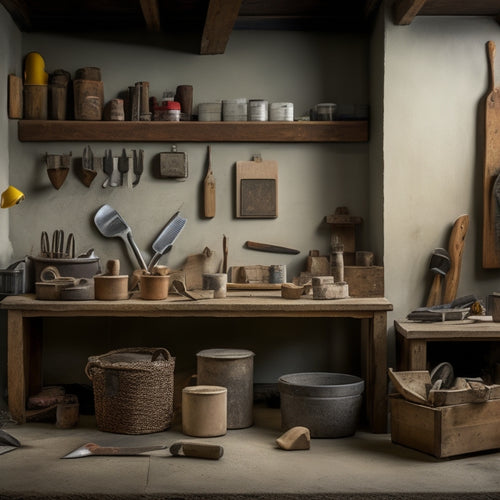
3 Beginner-Friendly Tools for Plaster Renovation Success
You'll be glad to know that the three essential tools you need for a successful plaster renovation are the same ones ...
