Budget-Friendly Power Tools for Small Renovations
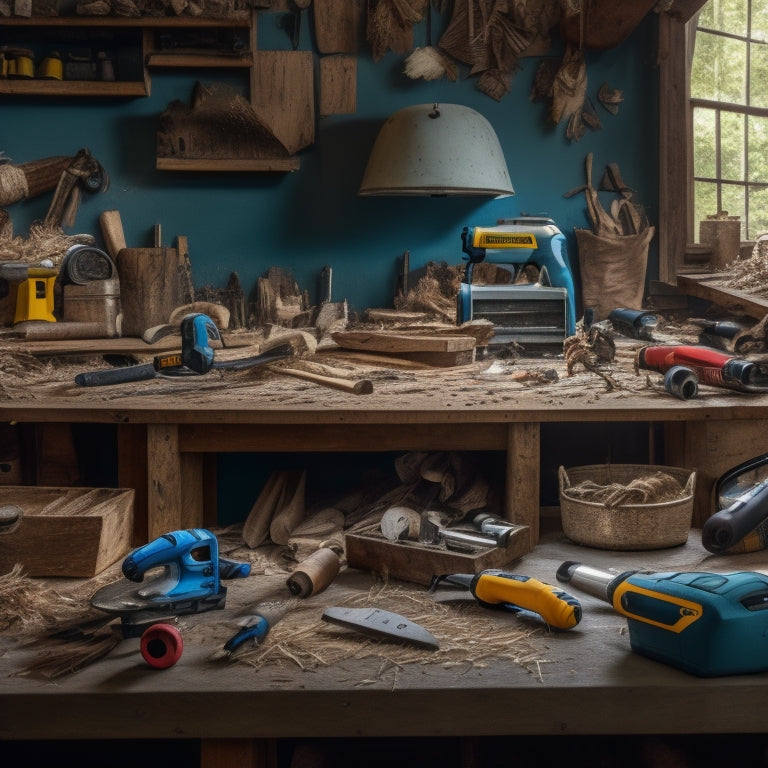
When tackling small renovations on a budget, having the right power tools can make all the difference. You'll want to invest in essential drilling and driving tools, like cordless hammer drills and drivers, from brands like Black+Decker and DEWALT. Next, consider affordable cutting and grinding options, such as circular saws and compact angle grinders. Don't forget budget-friendly sanders and polishers, like orbital sanders and rotary polishers, for a smooth finish. With these tools, you'll be well on your way to achieving professional-grade results without breaking the bank - and there's more to discover to take your renovation to the next level.
Key Takeaways
• Cordless drills and drivers from brands like Black+Decker, DEWALT, Bosch, and Ryobi offer reliability and freedom of movement for small renovations.
• Proper maintenance, including cleaning and regular upkeep, extends the lifespan of drills, drivers, and other power tools.
• Budget-friendly circular saws and reciprocating saws enable straight and curved cuts in various materials for demo work and renovations.
• Electric sanders, such as belt, orbital, and detail sanders, cater to specific tasks in woodworking and polishing, and require proper selection and maintenance.
• Combo kits offering a set of tools at a reduced price can be a cost-effective option for small renovation projects, with essential tools like drills, saws, and sanders.
Essential Drilling and Driving Tools
You'll need a reliable drill and driver to tackle most DIY projects and small repairs around the house. A good drill is an essential power tool that can help you complete tasks efficiently and effectively.
To get the most out of your drill, it's vital to maintain it properly. Regularly clean the drill bits and chuck to prevent rust and corrosion. Also, store your drill in a dry place to prevent moisture buildup.
When it comes to driving technique, there are a few improvements you can make to increase your efficiency. First, make sure you're holding the drill at the correct angle to avoid stripping the screw head.
Next, apply gentle to moderate pressure, depending on the material you're working with. This will help prevent the drill bit from slipping and reduce the risk of damage.
Finally, use the correct drill bit for the job to guarantee a smooth and accurate finish.
Affordable Cutting and Grinding Options
When tackling DIY projects or small repairs, having the right cutting and grinding tools can make all the difference in achieving a professional-looking finish. Fortunately, you don't have to break the bank to get them. With affordable options available, you can master various cutting techniques, from precise cuts to rough demos, without overspending.
For instance, a budget-friendly circular saw can help you make straight cuts in wood, metal, or masonry, while a reciprocating saw is ideal for demo work or curved cuts.
When it comes to grinding, safety should be your top priority. Always wear protective gear, including gloves, safety glasses, and a dust mask. Look for grinders with built-in safety features, such as overload protection and adjustable handles, to reduce fatigue and prevent accidents.
A compact angle grinder is perfect for tight spaces and detail work, while a larger grinder is better suited for heavy-duty projects. By investing in these affordable cutting and grinding tools, you'll be well-equipped to tackle a range of projects, from tile installation to metal fabrication, with confidence and precision.
Budget-Friendly Sanders and Polishers
When you're working on a project, you'll likely need to smooth out rough edges and surfaces.
You'll find that electric sanders are a great option for this task, offering a range of benefits and features to suit your needs.
Now, let's explore the world of electric sanders and polishers, which will help you achieve a professional-looking finish without breaking the bank.
Electric Sanders Overview
Five essential types of electric sanders - belt sanders, orbital sanders, detail sanders, random orbital sanders, and rotary sanders - cater to various woodworking and polishing tasks on a budget.
You'll find that each type is designed for specific tasks, ensuring you get the right tool for the job.
When choosing an electric sander, consider the surface you're working on, the level of precision required, and the amount of material you need to remove.
Properly maintaining your sander is vital to extend its lifespan and performance. Follow sander maintenance tips, such as regularly cleaning the dust port, inspecting the sanding belt or pad, and storing the tool in a dry place.
Additionally, prioritize sander safety practices, like wearing protective gear, keeping loose clothing and long hair tied back, and avoiding overreaching or applying excessive pressure.
Polishers for Finishing Touches
With your woodworking or polishing project nearing completion, a polisher is the perfect tool to add those finishing touches and bring out the desired shine and luster. You'll be amazed at the difference a good polisher can make in enhancing the appearance of your project. There are several polisher types to choose from, each suited for specific finishing techniques.
| Polisher Type | Finishing Technique |
|---|---|
| Rotary Polisher | Heavy-duty polishing, removing scratches |
| Orbital Polisher | Fine polishing, removing minor imperfections |
| Belt Polisher | Aggressive material removal, shaping curves |
| Detail Polisher | Delicate polishing, intricate areas |
When selecting a polisher, consider the type of material you're working with, the level of shine you desire, and the size of the area to be polished. With the right polisher, you'll be able to achieve professional-looking results without breaking the bank. Remember to always follow safety guidelines and use the correct polishing compounds for your project. By adding a polisher to your toolkit, you'll be able to take your woodworking and polishing projects to the next level.
Cost-Effective Fastening Solutions
When it comes to cost-effective fastening solutions, you'll want to think about the right tools for the job.
You're likely to find that a reliable hammer drill, an extensive screwdriver set, and a suitable nail gun will become your go-to's for tackling various fastening tasks.
Hammer Drill Options
How do you tackle tough fastening tasks without breaking the bank? When it comes to hammer drill options, you don't have to sacrifice power for affordability. Cordless options have become increasingly popular, offering the freedom to work anywhere without being tethered to a power outlet. Look for drills with impact features, such as high torque and variable speed, to tackle even the most demanding tasks.
Here are some budget-friendly hammer drill options to evaluate:
| Drill Model | Key Features |
|---|---|
| Black+Decker LDX120C | Cordless, 11-position clutch, LED light |
| DEWALT DCD771C2 | Cordless, 300 UWO, 1/2' ratcheting chuck |
| Bosch PS31-2A | Cordless, 2-speed, LED light, compact design |
| Ryobi P208 | Cordless, 24-position clutch, adjustable torque |
These drills offer a range of features and price points, making it easy to find one that fits your budget and meets your needs. With the right hammer drill, you'll be able to tackle tough fastening tasks with confidence and precision.
Screwdriver Sets Matter
You'll find that having a reliable screwdriver set is just as important as a hammer drill for tackling a wide range of fastening tasks, and it's possible to find a cost-effective solution that doesn't sacrifice quality.
When choosing a screwdriver set, consider the types you need, such as flathead, Phillips, and Torx. A set that includes a mix of these will cover most of your fastening needs.
Look for sets with durable, high-quality materials and ergonomic handles that provide a comfortable grip. Regular screwdriver maintenance is also essential to extend their lifespan.
Clean your screwdrivers regularly, and store them in a dry place to prevent rust. You should also lubricate the hinges and pivot points to keep them running smoothly.
Nail Gun Choices
Two nail gun options, the brad nailer and the finish nailer, offer cost-effective fastening solutions for a variety of tasks, from trim work to furniture assembly. You'll find that these nail gun types are essential for small renovations.
The brad nailer is ideal for delicate trim work, molding, and furniture assembly, while the finish nailer is better suited for heavier tasks like framing, decking, and fencing. Both options provide you with increased speed and accuracy, allowing you to complete projects efficiently.
The nail gun benefits are numerous. They reduce fatigue, as you don't need to hammer individual nails. They also minimize the risk of split wood, ensuring a professional finish. Additionally, nail guns are versatile, accommodating various nail sizes and types.
With a nail gun, you can tackle projects that would otherwise require hours of manual labor. By investing in a budget-friendly nail gun, you'll experience a significant boost in productivity, making it an excellent addition to your power tool collection.
DIY-Friendly Measuring and Testing Tools
Measuring and testing accurately is essential in DIY projects, and having the right tools for the job can make all the difference. You don't need to break the bank to get accurate measurements, and we have you taken care of with some budget-friendly options.
Here are some must-haves for your DIY toolkit:
| Tool | Description |
|---|---|
| Measuring Tapes | 25-foot or 30-foot tapes for quick measurements |
| Digital Levels | Verify surfaces are level and plumb with precision |
| Laser Distance Measurer | Measure distances up to 100 feet with ease |
| Multimeter | Test electrical currents, voltage, and resistance |
These tools will help you get accurate readings and guarantee your DIY projects turn out as planned. Measuring tapes are a no-brainer for quick measurements, while digital levels take the guesswork out of leveling surfaces. A laser distance measurer is perfect for larger projects, and a multimeter is a must-have for any electrical work. With these tools in your arsenal, you'll be able to tackle any DIY project with confidence.
Space-Saving Multi-Functional Tools
As your DIY toolkit grows, incorporating space-saving multi-functional tools can help streamline your work and free up valuable storage space.
You'll appreciate the convenience of having multiple functions in one tool, reducing clutter and making it easier to transport your gear. Look for tools with space-saving designs that maximize functionality while minimizing size.
For instance, a multi-bit screwdriver can replace multiple single-bit drivers, freeing up space in your toolbox. Similarly, a versatile power drill with interchangeable bits can tackle a variety of tasks, from drilling to driving.
Tool versatility is key here, as it allows you to tackle more projects with fewer tools. By choosing multi-functional tools, you'll not only save space but also reduce the weight and bulk of your toolkit.
This means you can focus on getting the job done efficiently, without being weighed down by a cumbersome toolset.
Value-Packed Combo Kits for Renovators
When tackling renovation projects, you'll often find that purchasing value-packed combo kits can be a cost-effective way to get all the necessary power tools in one convenient package. Instead of buying individual tools, combo kits provide a thorough set of tools that cater to your specific renovation needs. This approach not only saves you money but also guarantees that you have all the required tools at your disposal.
When selecting a combo kit, consider the following factors:
-
Value comparison: Compare the cost of the combo kit to buying individual tools to guarantee you're getting the best deal.
-
User reviews: Read reviews from other renovators to get an idea of the kit's performance, durability, and versatility.
-
Tool variety: Look for kits that include a mix of essential tools, such as drills, saws, and sanders, to cover a range of tasks.
Frequently Asked Questions
Can I Use Power Tools With an Extension Cord Safely?
When you're working on a project, you'll likely need to use an extension cord with your power tools. But, can you do it safely? The answer is yes, if you follow some key guidelines.
First, choose an extension cord that's rated for outdoor or heavy-duty use.
Then, regularly inspect the cord for signs of wear, like frays or cracks.
Finally, maintain your power tools well to prevent overheating, which can cause cord damage.
How Often Should I Replace My Power Tool Batteries?
You've got a million projects lined up, and your power tool batteries are the unsung heroes keeping you going.
But when should you replace them? The answer lies in battery lifespan and maintenance. On average, a well-maintained battery lasts around 3-5 years or 300-500 charge cycles.
Keep an eye on performance, and when you notice a significant drop, it's time for a new one.
Proper care, like storing them in a cool, dry place, can help extend their life.
Stay powered up and get back to work!
Are Budget Power Tools Less Durable Than Premium Ones?
You're wondering if budget power tools are less durable than premium ones.
The answer is, generally, yes. When you compare the durability of budget and premium tools, you'll often find that premium tools outlast their budget counterparts.
This is because premium tools are built with higher-quality materials and have better performance differences, such as more efficient motors and advanced ergonomics.
However, this doesn't mean budget tools can't get the job done - they just mightn't last as long.
Can I Share Power Tools With Friends or Family Members?
You're thinking of sharing power tools with friends or family members? How generous of you!
But let's get real, sharing tools can be a recipe for disaster. Safety considerations come first, and lending out your tools can lead to misuse, damage, or even injuries. It's not worth the risk.
Instead, consider investing in a few essential tools that you can call your own. Trust us, your friends will understand – after all, you can't put a price on peace of mind.
Do I Need to Calibrate My Power Tools Before First Use?
You're about to release the power of your new tools, but don't skip calibration before first use!
Calibration is essential for tool accuracy, ensuring your projects turn out precise and professional.
You won't get the results you want if your tools are off-kilter.
Take the time to calibrate, and you'll be rewarded with precision and confidence in your work.
It's a small step that makes a big difference in the quality of your finished project.
Conclusion
You've got the renovation vision, and now you've got the tools to match.
With these budget-friendly power tools, you'll be drilling, driving, cutting, grinding, sanding, polishing, fastening, measuring, and testing like a pro.
Remember, it's not about breaking the bank, it's about getting the job done efficiently and effectively.
By investing in these affordable options, you'll be well on your way to transforming your space without transforming your wallet.
Related Posts
-

Why Do Cinder Block Wall Renovations Cost So Much
You're likely surprised by the high cost estimate for your cinder block wall renovation project, but it's driven by s...
-

Why Renovation Waste Disposal Harms the Environment
When you undertake a renovation project, you're contributing to a staggering problem: renovation waste disposal, whic...
-
5 Best Home Renovation Project Timeline Checklists
You're looking for a clear understanding of the timeline for your home renovation project. A good place to start is w...
