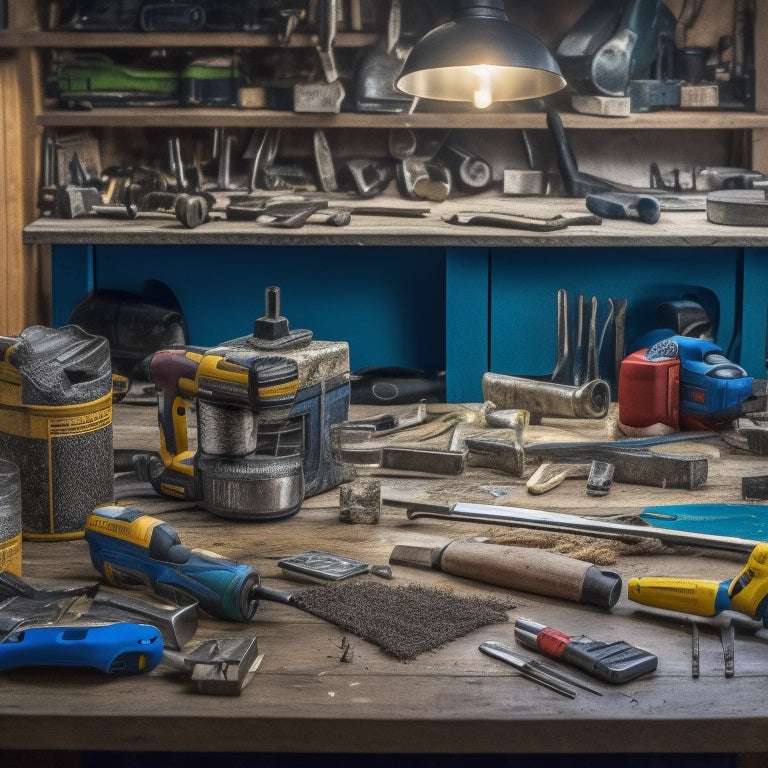
Beginner's Guide to Buying Home Renovation Tools
You're about to invest up to 15% of your total renovation budget in home renovation tools, so it's vital to get it right. Start by evaluating your DIY needs, prioritizing tasks and identifying the essential tools required for each one. Set a realistic budget, allocating 10-20% of your total renovation cost to tools, and consider rental options for infrequent use. Choose high-quality tools that'll save you time and money in the long run, and research brands and reviews to make informed purchasing decisions. As you venture into the world of home renovation tools, you'll discover the importance of careful planning, smart buying, and proper storage and maintenance.
Key Takeaways
• Identify the specific tools required for each task in your DIY project to determine the scope of tools needed.
• Set a realistic budget for tools by allocating 10-20% of the total renovation cost and considering tool rental options.
• Choose essential tools first, such as a reliable drill, quality tape measure, and sturdy level, to enhance focus and efficiency.
• Research tool brands and reviews to evaluate material quality, ergonomic design, and precision engineering for better performance.
• Develop a well-planned storage system for tools, including labeled containers and a designated area, to maintain organization and prolong tool lifespan.
Assessing Your DIY Needs
Determine the scope of your DIY project by making a list of the tasks you need to accomplish, and then identify the specific tools required for each task. This vital step in project planning will help you understand your tool usage needs and guarantee you have everything necessary to complete your renovation.
Start by breaking down your project into smaller tasks, such as demolition, framing, and finishing. Next, research the tools needed for each task, considering factors like material, size, and complexity. For instance, if you're planning to install new flooring, you'll need a pry bar, hammer, and tile cutter.
Make a thorough list of all the tools required, and prioritize them based on importance and frequency of use. This exercise will give you a clear understanding of your DIY needs, enabling you to make informed decisions when buying home renovation tools.
Setting a Realistic Budget
When setting a realistic budget for your home renovation tools, you'll need to accurately estimate the costs of the tools you require.
This involves identifying the must-haves, nice-to-haves, and luxury items, and allocating your budget accordingly.
Tool Costs Estimation
You'll need to allocate a significant portion of your overall renovation budget to tools, so it's essential to estimate their costs accurately. This will help you avoid overspending and guarantee you have enough funds for the entire project.
To get a realistic estimate, consider the following factors:
-
Tool rental: Calculate the cost of renting tools for specific tasks, especially if you don't plan to use them frequently.
-
Secondhand options: Research prices of used tools online or at local hardware stores to find affordable alternatives.
-
Quality vs. price: Balance the cost of high-quality tools with their durability and performance.
Budget Allocation Plan
To set a realistic budget, allocate around 10% to 20% of your total renovation cost to tools and equipment, depending on the scope and complexity of your project. This will guarantee you have a well-stocked arsenal to tackle various tasks without breaking the bank.
When creating your budget allocation plan, consider tool rental options for items you'll only use once or twice. This can help you save money and storage space. You can also explore secondhand tools from reputable sources, which can be a cost-effective alternative to buying new.
Be realistic about your DIY skills and the tools you'll need to accomplish tasks efficiently. Don't forget to factor in the cost of any necessary training or certification for specialized tools.
Choosing Essential Tools First
Your home renovation project's success hinges on selecting the right tools, and prioritizing essential ones helps you stay focused and efficient. By choosing the must-haves first, you'll avoid wasting time and money on unnecessary tools.
Here are the top essential tools to get started:
-
A reliable drill and bits for tasks like hanging shelves and assembling furniture
-
A quality tape measure for accurate room and material measurements
-
A sturdy level for ensuring straight lines and balanced installations
These tools will help you complete the majority of your renovation tasks.
Remember, tool safety is vital, so always read the instruction manuals and follow proper usage guidelines.
Additionally, establish maintenance tips, such as regular cleaning and storage, to extend the lifespan of your tools.
Understanding Tool Quality Factors
When selecting home renovation tools, evaluating factors like material quality, ergonomic design, and precision engineering can greatly impact their performance, durability, and overall value.
You want tools that can withstand the demands of your project, and investing in high-quality tools will save you time and money in the long run.
Material durability is a vital factor to take into account. Look for tools made from high-grade materials that can resist corrosion, rust, and wear. A tool's material quality can greatly influence its lifespan, so it's important to choose tools that can withstand the rigors of your project.
Additionally, reflect on the ergonomic design of the tool. A well-designed tool can reduce fatigue, improve accuracy, and increase productivity. You'll be using these tools for extended periods, so it's imperative to choose tools that fit comfortably in your hand and are easy to maneuver.
Researching Brands and Reviews
When researching brands and reviews, you'll want to start by comparing tool brands to identify the top performers in your specific renovation area.
Next, you'll need to check the product quality of each brand by reading reviews from multiple sources, such as online forums, social media, and review websites.
Tool Brand Comparison
Researching tool brands and reading reviews from professionals and DIYers alike helps you identify the best fit for your home renovation project's specific needs and budget.
You'll get a sense of each brand's strengths and weaknesses, as well as their reputation among users.
When comparing tool brands, consider the following key factors:
-
Brand reputation: Look for brands with a proven track record of producing high-quality tools that stand the test of time.
-
Warranty options: Check if the brand offers an extensive warranty that covers repairs and replacements for a reasonable amount of time.
-
Customer support: Evaluate the brand's customer service, including their responsiveness to issues and availability of resources like user manuals and tutorials.
Product Quality Check
You'll want to scrutinize product reviews from various sources, including online forums, social media, and specialized review websites, to get a well-rounded understanding of a brand's product quality. This will help you identify any red flags, such as frequent breakdowns or poor customer service. Pay attention to the overall rating and the number of reviews, as well as the specific comments and feedback from users.
When researching brands, look for transparency about their manufacturing process and material sourcing. Check if they provide detailed information about the materials used and their durability.
Warranty considerations are also essential, as a thorough warranty can give you peace of mind and protect your investment. A reputable brand should stand behind their products with a reasonable warranty period and clear terms.
Buying Tool Sets Vs Singles
Two primary purchasing options face homeowners starting on a renovation project: buying tool sets or individual tools. As you start building your toolkit, it's crucial to weigh the pros and cons of each approach.
Buying tool sets offers several advantages:
-
Cost-effective: Tool sets often come at a lower price than buying individual tools separately.
-
Convenience: You'll have an all-encompassing set of tools at your disposal, reducing the need for multiple trips to the hardware store.
-
Uniformity: Tool sets usually feature a consistent design and quality, making it easier to work with familiar tools.
On the other hand, buying individual tools provides single tool flexibility, allowing you to choose the best tool for a specific task.
This approach is ideal when you already have a solid foundation of basic tools and want to add specialized or high-quality tools to your collection.
Consider your renovation goals, budget, and the type of projects you plan to undertake to decide whether tool sets or individual tools are the best fit for you.
Storing and Organizing Tools
As you accumulate tools for your home renovation project, a well-planned storage and organization system becomes essential to maintain efficiency, reduce clutter, and prolong tool lifespan.
You'll want to invest in tool storage solutions that cater to your specific needs, such as toolboxes, chests, or cabinets. Consider the size, weight, and frequency of use for each tool when deciding where to store it.
Implement creative organization methods to maximize storage space and reduce time spent searching for tools. Label each storage compartment or shelf to guarantee easy identification. You can also use dividers, bins, and hooks to separate and categorize tools. For example, store frequently used hand tools in an easily accessible toolbox, while less frequently used power tools can be stored on higher shelves.
Remember to keep your storage system flexible and adaptable as your tool collection grows. Regularly clean and maintain your tools to prevent damage and prolong their lifespan.
Frequently Asked Questions
Can I Use Power Tools in Small or Enclosed Spaces Safely?
When working with power tools in small or enclosed spaces, you'll want to prioritize safety above all.
Make sure you're wearing protective gear, including a dust mask and safety glasses.
Ventilation considerations are essential, so open windows or use a respirator to avoid inhaling dust and fumes.
Additionally, choose the right tool for the job to minimize kickback and maintain control.
How Do I Properly Clean and Maintain My Tools?
Think of your tools as a high-performance sports car - they need regular tune-ups to run smoothly. You wouldn't neglect oil changes and expect peak performance, right? Same with your tools!
Create a maintenance schedule to guarantee they're in top shape. Start by organizing your tools in a designated area, making it easy to identify what needs attention.
Set aside time each week to clean and inspect your tools, and you'll be amazed at how efficiently they'll perform on your next project.
Are There Any Specific Tools for Left-Handed Diyers?
As a left-handed DIYer, you'll be relieved to know that many tool manufacturers cater to your needs.
Look for left-handed drills that are specifically designed for your comfort and ease of use.
Additionally, many tools now feature ergonomic designs that are ambidextrous, making them suitable for both left- and right-handed users.
You'll find that these tools are designed to reduce fatigue and improve overall performance, allowing you to tackle projects with confidence and precision.
Can I Return or Exchange Tools if They Don't Fit My Needs?
When buying tools, you'll want to know about return policies and exchange procedures, just in case they don't fit your needs.
Before making a purchase, you should always check the store's return and exchange policies. This way, you'll know if you can return or exchange a tool if it's not suitable for your project.
Typically, you'll need to provide a receipt and the tool must be in its original condition.
Some stores may have restocking fees or time limits for returns, so be sure to check before making a purchase.
Do I Need to Worry About Tool Warranties and Guarantees?
Will you really be able to enjoy the fruits of your labor if your new tools fail you mid-project? You shouldn't have to worry about that.
When buying tools, you need to think about tool longevity and warranty coverage. Look for brands that offer extensive warranties, typically lasting 1-5 years, which cover repairs or replacements due to manufacturing defects.
This guarantees your investment is protected, giving you peace of mind as you tackle your renovation projects.
Conclusion
As you commence your DIY journey, remember that 67% of homeowners undertake renovation projects themselves, according to the National Association of Home Builders.
With the right tools, you'll join this growing trend. By evaluating your needs, setting a budget, and choosing essential tools, you'll be well on your way to becoming a DIY pro.
Don't forget to research brands, consider tool quality, and store your tools properly.
With these tips, you'll be hammering away in no time, and your dream home will be within reach.
Related Posts
-
7 Best Home Renovation Project Checklists With Timelines
You're about to initiate a home renovation project, and establishing a clear plan with timelines is vital to staying ...
-
5 Vital Safety Tips for DIY Renovation Success
When tackling a DIY renovation, you'll need to prioritize safety above all else. Start by protecting yourself from fl...
-
7 Best Plastering Bat Sizes for DIY Renovations
When tackling DIY renovations, you'll want to choose the right plastering bat size to achieve a professional-looking ...
