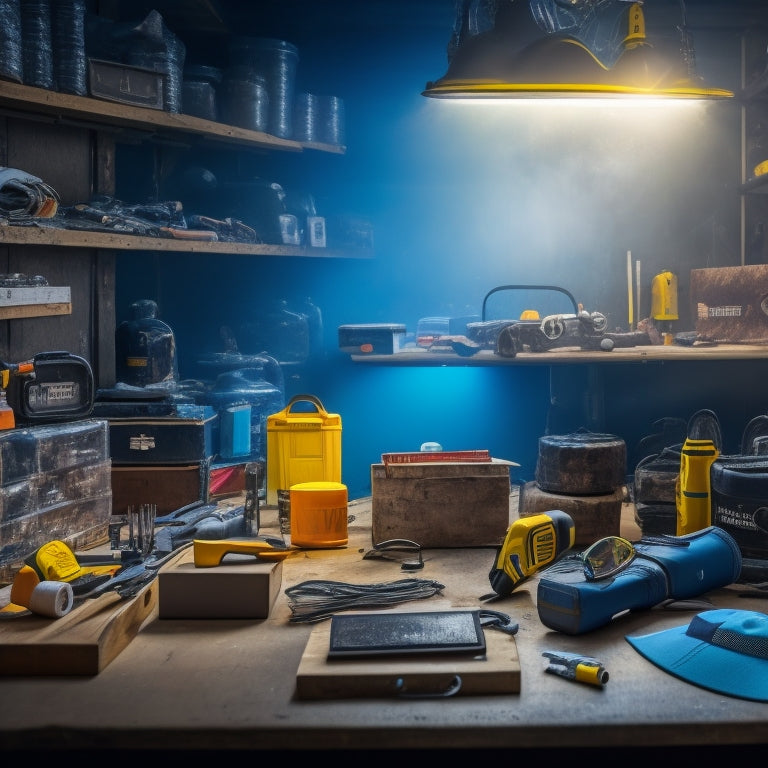
5 Tool Safety Guidelines for Home Renovations
When undertaking a home renovation, you're not just building something new - you're also taking on a range of potential hazards that can put your safety at risk. To guarantee a successful and injury-free project, always wear protective gear, including eyewear and gloves, to shield yourself from debris and sharp materials. Regularly maintain your tools to prevent accidents and project delays, and use proper handling techniques to reduce the risk of accidents. Prevent slip and fall hazards by maintaining a clutter-free workspace and inspecting your tools before operation to ascertain they're in good condition. By following these guidelines, you'll be well on your way to a safe and successful renovation, and there's even more to learn to assure your project is a complete success.
Key Takeaways
• Always wear protective gear, including eyewear, gloves, and proper footwear, to shield yourself from potential hazards and prevent serious injuries.
• Regularly maintain and inspect tools to prevent accidents and project delays, including cleaning, rust checks, and functionality inspections.
• Handle power tools safely by using proper techniques, ergonomic handling, and firm grip to minimize fatigue and discomfort during use.
• Prevent slip and fall hazards by maintaining a clutter-free workspace, securing cords and wires, and ensuring good traction and visibility.
• Inspect tools before operation to ensure safety and peak functionality, checking for frays, cuts, dull blades, and secure handles.
Wear Protective Gear Always
When tackling a home renovation project, you must wear protective gear at all times to shield yourself from potential hazards and prevent serious injuries. This isn't an area where you can afford to be complacent, as the consequences of neglecting safety protocols can be severe.
One of the most critical pieces of protective gear is eyewear. The importance of protective eyewear can't be overstated, as it safeguards your eyes from debris, dust, and other hazardous materials that can cause permanent damage.
Additionally, gloves are a must-have when working with power tools or handling materials that can cause cuts or abrasions. The benefits of gloves usage are twofold: they protect your hands from injury and also provide a secure grip on tools, reducing the risk of accidents.
By wearing protective gear, you'll be able to focus on the task at hand, knowing that you're well-equipped to handle any situation that arises.
Don't compromise on safety – invest in the right gear to guarantee a successful and injury-free renovation project.
Ensure Tool Maintenance Regularly
Regular tool maintenance is essential to preventing accidents and ensuring your home renovation project stays on track, as faulty equipment can lead to serious injuries and costly delays. You can't afford to neglect your tools, as it may lead to devastating consequences. To maintain your tools, you need to clean them regularly, check for damage, and store them properly.
Here's a maintenance checklist to get you started:
| Tool | Maintenance Task | Frequency |
|---|---|---|
| Drill | Clean drill bits, check for wear | After each use |
| Saw | Clean saw blade, check for rust | Weekly |
| Hammer | Check for damage, clean handle | Monthly |
| Pliers | Clean jaws, check for rust | Quarterly |
Safe Handling of Power Tools
You've taken the first step in guaranteeing your tools are in top condition, now it's time to focus on safe handling of power tools, as improper use can still lead to accidents, even with well-maintained equipment.
It's essential to understand that power tool safety goes beyond just maintenance. You need to know how to handle them correctly to avoid injuries. Invest in power tool training to learn proper techniques and best practices. This will help you develop muscle memory and instinctively use tools safely.
Additionally, prioritize ergonomic handling to reduce fatigue and discomfort. Hold tools with a firm grip, keeping your wrists straight and your arms at a comfortable distance from your body. Avoid overreaching or stretching, which can cause loss of control.
Prevent Slip and Fall Hazards
Slippery floors and uneven surfaces pose a significant threat to your safety during home renovations, and it's vital that you take proactive measures to prevent slip and fall hazards. You can't afford to let your guard down, as a single misstep can lead to serious injuries or even fatalities.
To minimize the risk, wear proper footwear with good traction and slip-resistant soles. This will give you a better grip on slippery surfaces, reducing the likelihood of falls.
Good workspace organization is also important in preventing slip and fall hazards. Keep your workspace clean and clutter-free, confirming that there are no tripping hazards or obstacles that could cause you to lose your balance.
Remove any unnecessary materials or debris, and secure cords and wires to prevent them from getting tangled under your feet. Additionally, verify that your workspace is well-lit, as poor lighting can contribute to accidents.
Inspect Tools Before Operation
Before firing up that circular saw or drill, take a few essential minutes to inspect your tools for signs of wear, damage, or malfunction. This vital step guarantees your safety and maintains peak tool functionality. A thorough inspection prevents accidents, reduces downtime, and saves you money in the long run.
Use the following inspection checklist to confirm your tools are in top condition:
| Tool Component | Inspection Criteria |
|---|---|
| Cords and Cables | Look for frays, cuts, or exposed wires |
| Blades and Bits | Check for dullness, damage, or rust |
| Handles and Grips | Ascertain a secure, non-slip hold |
Frequently Asked Questions
Can I Use Tools in Areas With Exposed Wiring or Water?
When working on a project, you're probably tempted to use tools in areas with exposed wiring or water, but don't. This is a recipe for disaster.
You're risking electrical shock or even electrocution from electrical hazards. Water exposure can also cause tools to malfunction or short circuit.
Instead, identify and address these hazards before starting your project. Ascertain all wiring is properly insulated and protected, and keep tools away from water sources to guarantee a safe working environment.
How Do I Properly Store Sharp Objects and Blades?
Imagine a dark, rusty blade lurking in the shadows, waiting to strike. Don't let that scenario become a reality.
You store sharp objects and blades with care, ensuring they're out of reach from curious hands and accidental slips. Designate a specific area for blade storage, using protective cases or covers to prevent damage and injuries.
When not in use, keep sharp objects in a dry, secure location, and always clean them before storing to prevent rust and corrosion.
Are There Any Specific Safety Guidelines for Ladder Usage?
When using ladders, you must prioritize stability and maintenance.
Make certain the ladder is on a firm, level surface and always maintain three points of contact.
Regularly inspect the ladder for worn or damaged rungs, and replace them promptly.
Additionally, check the weight capacity and never lean over the side rails.
Can I Use Tools Near Open Flames or Sparks?
When working with tools, you shouldn't use them near open flames or sparks, as this can lead to serious fires.
In fact, it's a fundamental principle of fire safety to keep any spark-producing tools away from flammable materials.
Regular tool maintenance is also essential to prevent sparks and malfunctions.
How Often Should I Replace Worn-Out or Damaged Tool Handles?
As you're wrapping up a project, you notice the worn-out grips on your trusty tools. Coincidentally, it's the perfect time for a handle inspection.
You should replace those handles every 6-12 months, depending on material durability. Inspect for cracks, splinters, or signs of wear. If you spot any damage, swap them out to avoid accidents.
Conclusion
As you transform your home into a dream space, remember that safety isn't just a caution, it's a necessity.
Don't let the excitement of renovation blind you to the risks lurking in every cord and corner.
Amidst the dust and debris, prioritize these 5 tool safety guidelines to guarantee that the only thing you're building is a better tomorrow, not a trip to the emergency room.
Related Posts
-
Why Use Concrete Blocks in Home Renovation
You're considering using concrete blocks in your home renovation, and for good reason: they offer a unique combinatio...
-
Why Inspect Stucco Repair Equipment Before Renovation
When starting a stucco repair renovation, you need to inspect your equipment to prevent accidents, save time and mone...
-
What Tools to Rent for Block Wall Renovation
When renovating a block wall, it's vital to have the right tools for the job. You'll need demolition tools like pry b...
