
5 Tips for Buying DIY Renovation Tools
When buying DIY renovation tools, prioritize tasks and assess your skills to determine what you need. Research tool quality by reading reviews from contractors and DIYers, and analyze pros and cons to ascertain durability and ease of use. Set a realistic budget by calculating total project costs and allocating funds for essential tools, while considering renting tools for one-time use. Look for multi-functional tools to save space and money, and check warranty details to protect your investment. By following these tips, you'll be well-equipped to tackle your renovation project - and discovering the right tools is just the starting point for a successful DIY journey.
Key Takeaways
• Assess your renovation needs to identify essential tools and prioritize purchases based on importance and urgency.
• Research tool quality and reviews from professionals and DIY enthusiasts to make informed purchasing decisions.
• Set a realistic budget plan, allocating funds for essential tools and considering renting or buying multi-functional tools.
• Consider multi-functional tools that offer cost-effectiveness, space-saving, and ergonomic designs for efficient use.
• Check warranty and support details to ensure protection against malfunctions and prompt assistance with issues.
Assess Your DIY Renovation Needs
Before diving into your DIY renovation project, take stock of your specific needs by identifying the tasks that require attention, the materials you already have, and the skills you bring to the table. This assessment will help you define your project scope, ensuring you're well-prepared for the tasks ahead.
Make a list of the areas that need renovation, and prioritize them based on importance and urgency. Next, take inventory of the materials you already have, such as tools, building supplies, and fixtures. This will help you determine what you need to purchase and what you can repurpose.
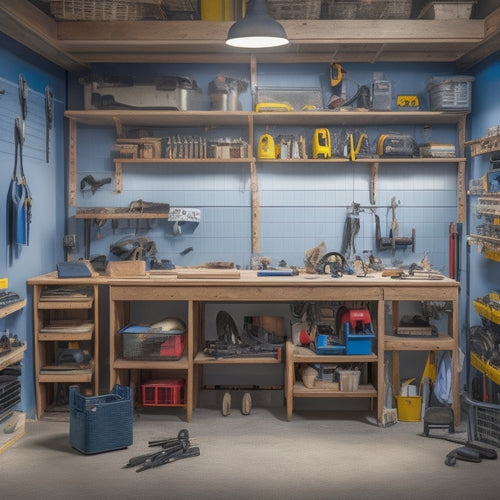
Consider your skill level and identify areas where you may need additional training or assistance. Finally, think about tool storage and how you'll organize your workspace to maximize efficiency.
Research Tool Quality and Reviews
You'll want to scrutinize the quality and performance of various tools by reading reviews from reputable sources, such as professional contractors, DIY enthusiasts, and independent testing organizations. This will give you a thorough understanding of how tools perform in real-world scenarios.
Look for reviews that provide detailed information about tool brands, their features, and user experiences. Pay attention to the pros and cons of each tool, as well as any common issues or complaints.
When researching tool quality, consider factors such as durability, accuracy, and ease of use. You should also investigate the warranty and customer support offered by each brand.
By doing your due diligence, you'll be able to make informed decisions about which tools are right for your DIY renovation project. Additionally, you may want to consult with friends, family, or online forums to gather more information about specific tools and brands.
Set a Realistic Budget Plan
Establishing a realistic budget plan necessitates calculating the total cost of your DIY renovation project, including materials, tools, and potential labor expenses. This will help you avoid overspending and guarantee you have enough funds to complete the project. To create a realistic budget, consider the following budgeting strategies:
| Budgeting Strategies | Cost Saving Tips |
| Prioritize essential tools | Buy second-hand or refurbished tools |
| Allocate funds for unexpected expenses | Shop during sales or discount periods |
| Consider renting tools for one-time use | Opt for energy-efficient tools |
| Set a contingency fund for labor costs | Negotiate with suppliers for better prices |
| Phase your project to manage cash flow | Use online resources for free tutorials and guidance |
Consider Multi-Functional Tools
When it comes to DIY renovation tools, investing in multi-functional tools can be a cost-effective and space-saving strategy that allows you to tackle various tasks with a single device. By doing so, you'll reduce clutter in your workspace and minimize the need for multiple tools.
Look for tools with ergonomic design, which will provide comfort and reduce fatigue during extended use. Additionally, consider tools with portability features, such as lightweight designs or compact storage options, making it easy to transport them to different areas of your renovation site.
Multi-functional tools can also help you work more efficiently, as you won't need to switch between devices for different tasks. For example, a drill with interchangeable bits can be used for drilling, driving, and mixing.
This versatility will allow you to complete tasks quickly and effectively, giving you the freedom to focus on other aspects of your renovation project. By investing in multi-functional tools, you'll be able to work smarter, not harder, and achieve the results you desire with minimal hassle.
Check Warranty and Support
As you're selecting the right multi-functional tools for your DIY renovation project, make certain to scrutinize the warranty and support offered by the manufacturer.
A thorough warranty can provide you with peace of mind, protecting your investment in case the tool malfunctions or breaks down. Check the warranty duration, making sure it's long enough to cover your project timeline and potential future needs. Don't just focus on the warranty duration, though - also investigate the quality of customer support.
Look for manufacturers that offer dedicated customer support channels, such as phone, email, or online chat. This will guarantee you can quickly get help if you encounter any issues with your tool.
Additionally, check if the manufacturer provides online resources, like tutorials, FAQs, or user manuals, to help you troubleshoot problems on your own.
Frequently Asked Questions
Can I Borrow or Rent DIY Renovation Tools Instead of Buying?
Before committing to a purchase, consider your options: can you borrow or rent DIY renovation tools instead of buying?
You might be surprised at the tool rental and borrowing options available. Websites, local hardware stores, and friends' garages can be great resources.
How Do I Safely Store and Organize My DIY Tools?
Imagine your garage or workshop transformed into a well-oiled machine, where every tool has its designated spot. You'll breathe a sigh of relief when you can effortlessly find what you need.
To achieve this, you'll need a solid tool storage and organization plan. Start by categorizing your tools by type and frequency of use.
Then, invest in a pegboard, bins, and labels to keep everything visible and accessible.
With these organization tips, you'll be free to focus on your DIY projects, not searching for lost tools.
Are There Any Specific Tools Required for Renovations in Old Homes?
When tackling renovations in old homes, you'll need specific tools tailored to the unique challenges of restoring vintage spaces.
You'll want to prioritize restoration essentials, like manual plastering tools and vintage-inspired drills, designed to preserve the original character of the property.
Don't overlook specialized tools, such as ornate molding removers and antique fixture restorers, which will help you breathe new life into the space while maintaining its historic charm.
Can I Use Power Tools With Extension Cords or Generators?
When working on renovation projects, you'll likely need to use power tools, but be cautious when using them with extension cords or generators.
Make certain you're prioritizing power tool safety by choosing the right extension cord types, such as heavy-duty or industrial-grade cords, rated for outdoor or high-amp use.
Always follow the manufacturer's guidelines and take regular breaks to inspect your setup, as overloaded cords can spark fires or cause electrocution.
How Often Should I Clean and Maintain My DIY Renovation Tools?
You're wise to prioritize tool maintenance, as it directly impacts tool longevity.
Establish a regular maintenance schedule to keep your DIY renovation tools in prime condition. Clean tools after each use, and perform thorough check-ups every 3-6 months.
This guarantees peak performance, reduces wear and tear, and prevents costly repairs.
Conclusion
You've made it to the end of this tool-buying journey, and ironically, the real work is just about to begin.
With your DIY renovation tools in hand, you're now ready to plunge into the chaos of construction.
Remember, it's not about having the most expensive tools, but about choosing the right ones that fit your needs and budget.
Now, go forth and hammer away – literally!
Related Posts
-
Why Home Renovators Need Smart Tool Storage Now
You need a smart tool storage system that streamlines your workflow, reduces clutter, and protects your investments b...
-
7 Best Plastering Bat Sizes for DIY Renovations
When tackling DIY renovations, you'll want to choose the right plastering bat size to achieve a professional-looking ...
-
Get Discounted Plastering Tool Sets for DIY Renovations
You can find discounted plastering tool sets online, at local hardware stores, and thrift stores, offering a range of...
